


Pearl Grading: What Every Buyer Needs to Know
Pearl grading is a standardized way to describe a pearl’s appearance and durability using the GIA 7 Pearl Value Factors: size, shape, color, luster, surface, nacre, and matching. The CIBJO Pearl Book harmonizes this language at the trade level, while most retailers simplify it into letter grades like A, AA, or AAA.
Here’s the single rule worth remembering before you shop: prioritize luster and nacre quality over any letter grade. A pearl graded AAA with thin nacre will lose its glow within years; a pearl with excellent luster and thick nacre will stay beautiful for decades.
Three things you can check at a glance before reading any further:
- Luster: Look for sharp, bright reflections. You should almost be able to read text in a high-quality pearl’s surface.
- Surface: Count visible blemishes. A few small marks near the drill hole are acceptable; heavy pitting or cracks are not.
- Size: Confirm the millimeter measurement matches what’s listed. Size affects price significantly, so vague descriptions are a red flag.
GIA and CIBJO are the two standards you can rely on for consistent, repeatable grading language. Everything else in this guide builds on those foundations.
Key Takeaways
Pearl grading is most useful when you look past the letter grade and assess luster, nacre thickness, and surface quality independently using the GIA 7 Pearl Value Factors.
| Point | Details |
|---|---|
| Luster is the top factor | GIA identifies luster as the most important value factor; prioritize it over letter grades when comparing pearls. |
| Nacre thickness predicts durability | Thin nacre causes early luster loss; always request a nacre note, even when luster looks good in photos. |
| Letter grades aren’t universal | A–AAA and A–D scales vary by seller; ask for factor-by-factor details to make any grade meaningful. |
| Treatments must be disclosed | Bleaching, dyeing, coatings, and irradiation all affect value; verify treatment status through a lab report. |
| HerMJ lists grading details | HerMJ freshwater pearl listings describe luster and surface quality so buyers can assess value before purchasing. |
How pearl grading systems work and which one to trust
Multiple grading systems exist because pearls are sold through very different channels (gemological labs, wholesale traders, and retail jewelers), each with distinct needs. Understanding who created a scale and why tells you how much weight to give it.
GIA 7 Pearl Value Factors function as a laboratory classification system. The goal, as GIA’s Gems & Gemology research describes it, is a standardized description that helps buyers compare specifics across labs and across the trade.
Each factor is assessed independently, which means a pearl can score excellent on luster but only good on surface. That nuance disappears the moment a retailer collapses everything into one letter.
CIBJO’s Blue Book (the Pearl Book) operates at the trade level. It defines categories such as natural, cultured, composite, and imitation, and it sets measurement conventions for strands, including how graduated and uniform strands are listed. Think of it as the rulebook that keeps the wholesale market honest.
Retailer letter scales (A–AAA or A–D) are marketing simplifications. As GIA notes, letter grades are not universal standards; different sellers define them differently, and some use proprietary systems that function more as shorthand than as precise descriptors.
| System | Purpose | Typical User | When to Trust It |
|---|---|---|---|
| GIA 7 Pearl Value Factors | Repeatable laboratory classification | Gemological labs, appraisers | Always, for objective comparison |
| CIBJO Pearl Book | Trade harmonization and anti-deception rules | Wholesalers, trade associations | When verifying category claims (natural vs. cultured) |
| A–AAA retailer scale | Simplified consumer communication | Retail jewelers, e-commerce | Only when backed by factor-by-factor details |
| A–D retailer scale | Alternative simplification (common for Tahitian) | Some Tahitian and South Sea retailers | Same caveat as A–AAA |
Pro Tip: When a seller shows you a letter grade, ask them to translate it into the seven value factors. A seller who can say “AA means excellent luster, very good surface with minor blemishes, and nacre over 0.4 mm” is working from real knowledge. One who can’t is working from marketing.
The GIA 7 Pearl Value Factors explained in full
Each of the seven factors tells you something different about a pearl’s beauty and durability. Here’s what graders look for and what you should ask about.
Luster
Luster describes the sharpness and brightness of light reflected from a pearl’s surface. GIA identifies luster as the most important value factor because it most directly determines perceived beauty.
Excellent luster produces crisp, mirror-like reflections; poor luster looks milky or chalky. When you’re inspecting a pearl, hold it under a single light source and look for a clear reflection of that light. Soft, diffuse glow is acceptable in lower grades; a sharp, bright image of the light source is what you’re paying a premium for.
Nacre
Nacre is the aragonite crystal structure that pearls are made of, laid down in concentric layers around a nucleus. Thickness matters because thin nacre correlates directly with a duller appearance and a shorter lifespan.
A chalky or dull surface on an otherwise well-shaped pearl is often the first visual sign of thin nacre. Ask the seller for a note on nacre thickness, and treat any listing that omits this detail with caution.
Surface
Surface quality is judged by the size, number, location, and type of blemishes. Numerous or severe surface characteristics can affect durability and significantly lower value.
Location matters too: blemishes near the drill hole are less damaging to value because they’ll be hidden in a setting, while blemishes at the pearl’s equator are fully visible and harder to conceal.
Common blemishes include pits, scratches, bumps, and wrinkles. A few minor marks on an otherwise excellent pearl are normal and don’t indicate a quality problem.
Shape
Round pearls are the rarest and most expensive shape because achieving a perfectly spherical pearl requires ideal growing conditions and considerable luck.
Near-round pearls are slightly off-round but still appear round to the eye. Baroque pearls are irregularly shaped and often the most affordable, though fine baroque shapes with excellent luster carry their own appeal. Shape affects price significantly, but it’s as much a matter of preference as quality.
Size
Pearls are measured in millimeters, typically as a diameter range (for example, 7.0–7.5 mm). Larger pearls take longer to grow and are rarer, so size increases price when other factors are equal.
A 10 mm freshwater pearl with good luster will cost more than an 8 mm pearl of identical quality. Always confirm the exact millimeter range rather than accepting vague descriptions like “large” or “medium.”
Color
Color has three components: bodycolor (the dominant hue), overtone (a translucent secondary color that appears to float above the surface), and orient (an iridescent play of color).
None of these is inherently superior; preference drives value here. What matters for grading is whether the color is natural or treated. Dyed pearls should always be disclosed. For a deeper look at how overtones affect your choice, the pearl overtone guide on HerMJ clearly walks through each color family.
Matching
For strands and multi-pearl pieces, matching requires uniformity across all seven factors simultaneously.
Matching is frequently the factor that drives price most in strands because assembling pearls that align on luster, surface, color, nacre, size, and shape is genuinely labor-intensive.
Matching only by size is an incomplete approach and a common shortcut in lower-quality strands.
How to read retailer grading charts for Akoya and Tahitian pearls
Retailer charts translate the seven factors into letter grades to make shopping easier. The problem is that two sellers can use the same letter to mean different things.
The A–AAA scale is most common for Akoya and freshwater pearls. AAA typically indicates top-level quality in common retail scales, often implying high luster and good surface, but definitions vary among sellers. Letter grades should be interpreted cautiously as they are not standardized.
Tahitian and some South Sea retailers often use an A–D scale instead, where A is the highest grade. This creates confusion when buyers compare across types: an “A” Tahitian pearl is top quality, while an “A” Akoya pearl is entry-level.
| Grade Scale | Grade | Approximate GIA Equivalent | What to Expect |
|---|---|---|---|
| A–AAA (Akoya/Freshwater) | AAA | Excellent luster, very slight surface | Mirror-like reflections, minimal blemishes |
| A–AAA (Akoya/Freshwater) | AA | Very good luster, minor surface marks | Bright but not mirror-sharp; small blemishes |
| A–AAA (Akoya/Freshwater) | A | Good luster, visible blemishes | Soft glow; noticeable marks on surface |
| A–D (Tahitian/South Sea) | A | Excellent luster, near-flawless | Top quality; sharp reflections, clean surface |
| A–D (Tahitian/South Sea) | B | Very good luster, minor blemishes | Strong luster; slight surface imperfections |
| A–D (Tahitian/South Sea) | C/D | Good to fair luster, visible marks | Acceptable for fashion pieces; not investment grade |
Beyond the letter, always request close-up photos against a neutral gray background, a note on nacre thickness, and a lab report for any purchase over a few hundred dollars.
Consistent, well-lit photos are a sign the seller is working from real grading knowledge rather than marketing copy.
Why nacre quality and treatments affect long-term value
Nacre quality underpins everything. A pearl with good surface marks but thin nacre can lose its luster within a few years of regular wear, while a pearl with thick, well-formed nacre stays radiant for generations. This is why nacre notes on a lab report matter as much as the luster grade itself.
Common treatments change a pearl’s appearance and affect resale value:
- Bleaching lightens bodycolor and is nearly universal in Akoya processing. It’s generally accepted by the trade when disclosed.
- Dyeing adds artificial color. Black freshwater pearls are almost always dyed; the natural black color is a feature of Tahitian pearls only.
- Coatings and lacquers can temporarily improve surface appearance but wear off, revealing the underlying quality.
- Irradiation darkens the nucleus of freshwater pearls to create gray or blue tones. It’s stable but should be disclosed.
Pro Tip: Two simple checks can raise your suspicion of treatment before you send a pearl to a lab. First, look at the drill hole under magnification: a sharp color boundary between the nacre and the nucleus suggests dyeing. Second, rub the pearl gently against your teeth. Genuine nacre feels slightly gritty; a coated or imitation pearl feels smooth.
Lab testing is the gold standard for treatment detection. Gemological labs use X-ray imaging to measure nacre thickness, microscopy to examine surface and drill-hole characteristics, and spectroscopy to identify dyes or coatings. A lab report that states “no indications of treatment” is the clearest assurance you can get.
How gemological labs grade pearls and what their reports tell you
Professional labs follow a structured workflow that’s designed for repeatability. GIA’s research established the use of master sets to ensure consistent grading across different labs and different graders.
The process starts with identification (natural vs. cultured, type, origin if possible), moves to measurement and comparison against master sets, and ends with independent verification by a second grader.
Two report types exist. An identification report confirms whether the pearl is natural or cultured, bead-nucleated or tissue-nucleated, and whether any treatment is detected.
A classification report goes further, grading each of the seven value factors and noting nacre thickness. For significant purchases, you want the classification report.
When a seller provides a report, verify these items:
- Report number: Every legitimate lab report carries a unique number. Write it down.
- Lab database lookup: GIA and other major labs allow online verification. Search the report number on the lab’s website before you buy.
- Pearl type: Confirm the report says “cultured” or “natural” explicitly, not just “pearl.”
- Nacre notes: The report should state nacre thickness or at minimum describe nacre quality.
- Luster grade: Confirm it matches the seller’s claim.
- Surface grade: Check whether blemishes are described and where they’re located.
- Treatment disclosure: Any treatment must be stated. “No indications of treatment” is the phrase you want.
- Photos: The report’s photos should match the actual pearl. Mismatched photos are a serious red flag.
GIA recommends a controlled grading environment using a neutral gray background, a daylight-equivalent light source, and standardized distance and rotation. This is why seller-supplied photos taken on white backgrounds or in warm lighting can make a pearl look better than it is.
A practical buyer checklist: what to ask and what to watch for
Shopping for pearls is much easier when you know exactly what to request. Whether you’re buying online or in person, these checks give you a consistent baseline.
What to ask the seller:
- Request the lab report number and verify it on the issuing lab’s website.
- Ask for close-up photos against a neutral gray background, not white or black.
- Ask specifically for nacre thickness or a note on nacre quality.
- For strands, ask how matching was assessed: size only, or all seven factors?
- Confirm whether any treatments have been applied and request disclosure in writing.
What to inspect yourself:
- Check luster under a single light source. Sharp reflections indicate quality.
- Scan the surface for blemishes, noting their size and location relative to the drill hole.
- Verify the millimeter size matches the listing.
- For strands, look at the pearls at the ends and in the center: consistent color and luster throughout the strand signal a genuine matching effort.
Red flags:
- A letter grade with no supporting factor-by-factor details.
- Missing nacre information on any listing above entry-level price.
- Obvious surface damage described as “minor.”
HerMJ’s Elegant Freshwater Pearl Necklace and Lustrous Freshwater Pearl Bracelet for Elegance are good examples of how a transparent listing should read: clear descriptions of pearl type, luster quality, and surface characteristics, with photos that show the actual piece.
The Pearl And Aquamarine Necklace shows how design choices interact with grading when pearls are paired with gemstones.
Pro Tip: If a seller’s photos look too perfect, ask for a video or additional images taken in natural daylight. Luster that holds up in natural light is genuine; luster that only appears under studio lighting may be exaggerated by the setup.
How grading emphasis differs by pearl type
The same grade term can mean very different things depending on the pearl variety. Buyer expectations need to adjust accordingly.
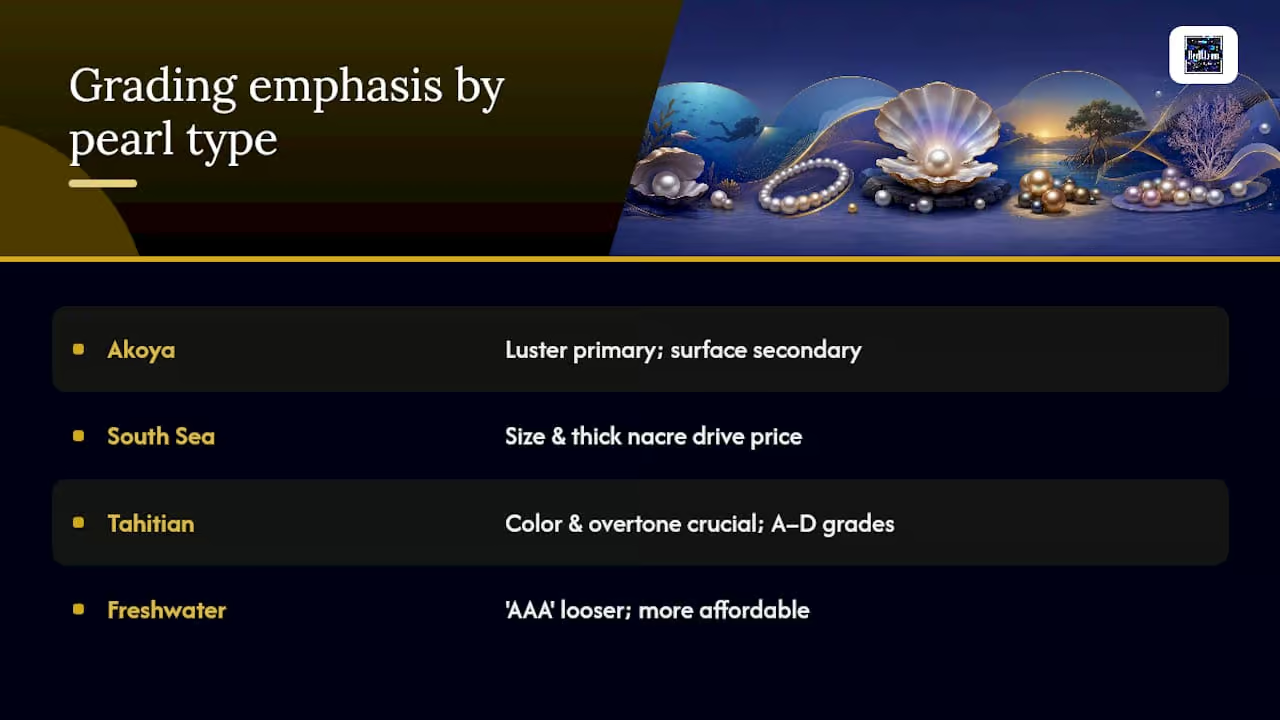
Akoya pearls (typically 6–9 mm, saltwater, primarily from Japan and China) are prized above all for luster. Akoya nacre produces the sharpest, brightest reflections of any cultured pearl type.
When you’re buying Akoya, luster is the factor to scrutinize most. Surface quality matters too, but a slight surface mark on an Akoya with exceptional luster is far less damaging to value than dull luster on a clean surface.
South Sea pearls (typically 9–20 mm, saltwater, from Australia, Indonesia, and the Philippines) command premium prices primarily because of their size and thick nacre.
A South Sea pearl’s nacre is naturally thick, which means durability is less of a concern than with Akoya, but size and shape drive price more dramatically.
For a collector’s perspective on what makes South Sea pearls worth the investment, the South Sea pearls guide at HerMJ covers the key factors.
Tahitian pearls (typically 8–18 mm, saltwater, from French Polynesia) are graded on the A–D scale by most retailers. Color and overtone are significant value drivers here because
Tahitian pearls produce natural dark bodycolors ranging from charcoal to peacock green, which no other pearl type replicates naturally. Luster and surface still matter, but color rarity adds a layer of value assessment unique to this type.
Freshwater pearls (typically 4–13 mm, primarily from China) are the most affordable and the most varied in shape and color. Round freshwater pearls are less costly than round saltwater pearls because freshwater mollusks can produce multiple pearls per harvest cycle.
Letter-grade norms for freshwater pearls tend to be more generous, so a “AAA” freshwater pearl may not match the luster of a “AAA” Akoya. Freshwater pearl jewelry at HerMJ spans a range of grades and styles, making it a practical starting point for buyers new to assessing pearl quality.
A quick grading cheat sheet you can use while shopping
These rules of thumb work whether you’re browsing online or standing in a store.
Fast rules to remember:
- Luster and nacre first, letter grade second.
- Round shape plus high luster always equals premium pricing.
- Matching matters for strands; a single-statement pearl can be baroque and still be of excellent quality.
- Size increases price when all other factors are equal.
- A letter grade without factor details is marketing, not grading.
| Quick Grade | What It Means | What You’ll See |
|---|---|---|
| Excellent / AAA | Top luster, near-flawless surface, thick nacre | Mirror-sharp reflections, minimal blemishes, rich depth |
| Very Good / AA | Strong luster, minor surface marks | Bright glow, small blemishes visible on close inspection |
| Good / A | Moderate luster, visible blemishes | Soft glow, noticeable marks, acceptable for fashion wear |
| Fair / B–C | Weak luster, significant surface marks | Chalky or dull appearance, multiple visible blemishes |
Quick action items:
- In photos, look for a visible light reflection on the pearl’s surface. No reflection means poor luster.
- In person: hold the pearl 12 inches from a single overhead light and look for a sharp, bright spot.
- For strands: compare the pearl at each end to the center pearl. Inconsistency signals poor matching.
How to visually inspect pearls yourself beyond the seven factors
The seven factors give you a framework, but a hands-on inspection adds details no chart captures. Here’s a step-by-step approach.
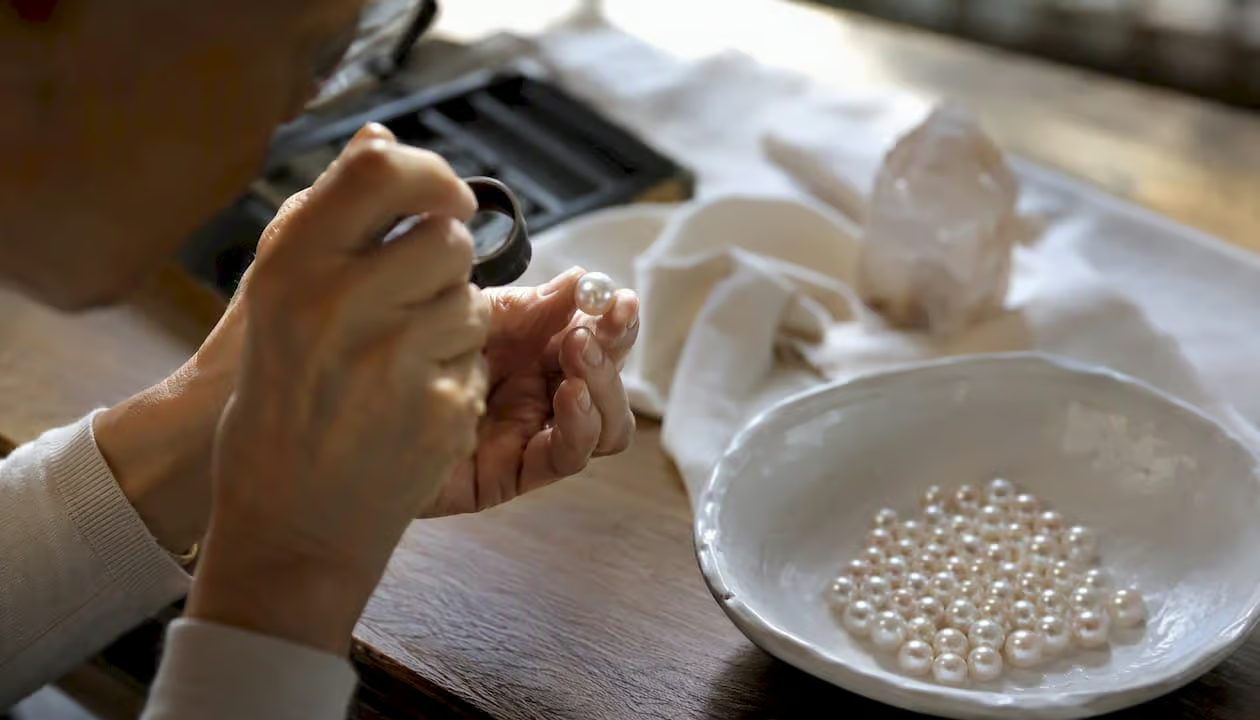
Step 1: Check the drill hole. Under a loupe or magnifying glass, examine the edges of the drill hole. Clean, smooth edges indicate careful drilling. Chipped or cracked edges suggest rough handling or thin nacre that fractured during drilling.
Step 2: Roll the pearl on a flat surface. A truly round pearl rolls in a straight line. Near-round pearls wobble slightly. This is a faster check than measuring with calipers and works well in person.
Step 3: Examine the surface under raking light. Hold the pearl at an angle to a single light source so the light skims across the surface. This raking technique reveals pits, bumps, and scratches that are invisible under direct overhead light.
Step 4: Check the drill hole color. The color at the drill hole should match the nacre color throughout. A dark ring around the drill hole in a light-colored pearl can indicate dyeing.
Step 5: Assess weight. Genuine pearls feel heavier than glass or plastic imitations of the same size. This won’t distinguish between pearl types, but it quickly rules out fakes.
Step 6: The tooth test. Gently rub the pearl against the edge of your front teeth. Real nacre feels slightly gritty or sandy. Smooth means coated, glass, or plastic.
Common pearl treatments and how labs detect them
Treatments are common and not inherently problematic, but they must be disclosed. Here’s what’s used and how professionals identify each one.
Bleaching is applied to lighten or even out bodycolor, most commonly in Akoya pearls. It’s nearly universal in commercial Akoya processing. Labs detect it by microscopic examination of the nacre surface, which exhibits characteristic bleaching patterns at high magnification.
Dyeing adds color that the pearl didn’t grow with. Detection methods include examining the drill hole under magnification (dye concentrates in cracks and at the drill hole edge), using a spectroscope to identify dye absorption bands, and checking for color consistency under UV light (dyed pearls often fluoresce differently than natural-color pearls).
Coatings and lacquers create a temporary surface sheen. Labs identify them through surface examination under magnification, where the coating appears as a separate layer rather than as part of the crystalline structure of genuine nacre. Coatings also tend to chip or peel at the drill hole.
Irradiation darkens the nucleus of freshwater pearls. It doesn’t affect the nacre itself, so the treatment is stable, but it should be disclosed. Labs detect it through X-ray diffraction and by examining the color distribution: irradiated pearls show color concentrated in the nucleus rather than throughout the nacre layers.
Filling and composites involve inserting material into a damaged pearl or constructing a composite bead. CIBJO’s Pearl Book defines composite pearls as a separate category, and labs identify them through X-ray imaging that reveals the internal structure.
How farming practices and environment shape pearl quality
A pearl’s quality starts long before it reaches a grader. The conditions in which it grows determine what a grader has to work with.
Water temperature, salinity, and nutrient levels all affect nacre deposition rate. Cooler water generally slows nacre growth, producing denser, more lustrous layers.
This is one reason Japanese Akoya pearls grown in cooler northern waters historically commanded higher luster grades than those grown in warmer southern regions. Faster growth in warmer water produces thicker nacre layers more quickly, but the crystal structure is often less uniform, which reduces luster.
Harvest timing is a direct farming decision that affects nacre thickness. Pearls harvested after two years of growth have significantly thicker nacre than those harvested after one year. Some producers harvest early to increase volume; the result is pearls that look good initially but lose luster quickly with wear.
Mollusk health matters too. Stressed or diseased mollusks produce irregular nacre, which shows up as surface blemishes, uneven shape, and inconsistent luster.
Responsible farms monitor water quality, control stocking density, and cull unhealthy mollusks before nucleation. Buyers can’t inspect farming practices directly, but asking about origin and requesting a nacre thickness note gives you indirect evidence of the producer’s standards.
Industry events are where retailers and wholesalers discuss sourcing standards, which is one reason grading language has become more consistent at the retail level over the past decade.
What pearl grades typically cost across types and quality levels
Price ranges vary widely by type, size, and grade, and the market shifts with supply. These figures are general reference points, not guarantees.
Freshwater pearls are the most accessible. Entry-level freshwater strands (A grade, 6–7 mm) are available for under $50. Mid-range AA strands in the 8–9 mm range typically run $100–$300. AAA round freshwater pearls in larger sizes (10–12 mm) can reach $500–$1,500 for a strand, depending on matching quality.
Akoya pearls carry a luster premium. A standard AA Akoya strand (7–7.5 mm) typically costs $300–$800. AAA Akoya strands in the 8–8.5 mm range often run $1,000–$3,000. Gem-quality Akoya with exceptional luster and near-flawless surface can exceed $5,000 for a matched strand.
Tahitian pearls range from $200–$500 for B-grade loose pearls to $1,500–$5,000 for A-grade matched strands. Peacock overtone commands the highest premiums within the Tahitian category.
South Sea pearls are the most expensive cultured variety. Individual A-grade South Sea pearls in the 12–14 mm range typically start at $500–$1,000 per pearl. Matched South Sea strands in top grades regularly exceed $10,000.
Understanding what makes pearls valuable beyond the grade letter helps you assess whether a price is reasonable for the quality described.
The AI-assisted pearl grading article at HerMJ covers how newer grading tools are changing the consistency of retail-level reports, which is worth reading if you’re buying pearls online regularly.
Maintenance and care tips that protect your pearl’s grade
A pearl’s grade describes its condition at the time of grading. How you care for it determines whether that condition holds.
Pearls are organic gems, susceptible to acids, chemicals, and abrasion in ways that diamonds and sapphires simply aren’t. Perfume, hairspray, and even perspiration can etch nacre over time. The rule is simple: pearls go on last when you’re getting dressed and come off first when you’re done.
Wipe pearls with a soft, damp cloth after each wear. This removes surface residue before it can work into the nacre. Never use ultrasonic cleaners, steam, or harsh jewelry cleaning solutions. For a full cleaning protocol, the pearl luster restoration guide at HerMJ covers what actually works without risking damage.
Storage matters too. Pearls need slight humidity to prevent the nacre from drying and cracking. Store them in a soft pouch or lined box, away from other jewelry that can scratch the surface. Never seal them in an airtight plastic bag for extended periods. The pearl storage guide at HerMJ walks through the specifics of long-term storage.
For strands, have the silk thread inspected every two to three years. Stretched or dirty silk weakens and can break, and the knots between pearls prevent them from rubbing against each other. Restringing is inexpensive and protects your investment.
Why grading transparency matters more in handmade jewelry
There’s a tension in artisan pearl jewelry that most grading guides don’t address: handmade design sometimes works against strict matching, and that’s not always a flaw.
When I look at a piece where the designer has deliberately chosen baroque pearls for their organic shape, or paired pearls of slightly varied overtone to create visual depth, I don’t see a grading failure. I see a design decision. The problem arises when that choice isn’t communicated clearly, and a buyer expects AAA-matched rounds but receives something different.
Transparent grading language protects both the buyer and the maker. A listing that says “near-round freshwater pearls, AA luster, minor surface characteristics, slight color variation for visual interest” tells you exactly what you’re getting.
A listing that says “high-quality pearls” tells you nothing. The pearl jewelry valuation guide at HerMJ makes the case that buyers consistently undervalue pearls when they don’t have the language to assess them, which is precisely why grading literacy matters.
My view is that the GIA framework is the right foundation even for artisan work, not because every handmade piece needs a lab report, but because the vocabulary helps sellers describe what they’ve made and helps buyers understand what they’re choosing. When a design emphasizes character over uniformity, that’s a feature worth naming, not a defect worth hiding.
HerMJ’s approach to pearl sourcing and what you’ll find in our listings
At HerMJ, we source genuine freshwater pearls and describe them using grading language that reflects the seven value factors, so you can shop with the same confidence a gemologist would bring to the table.
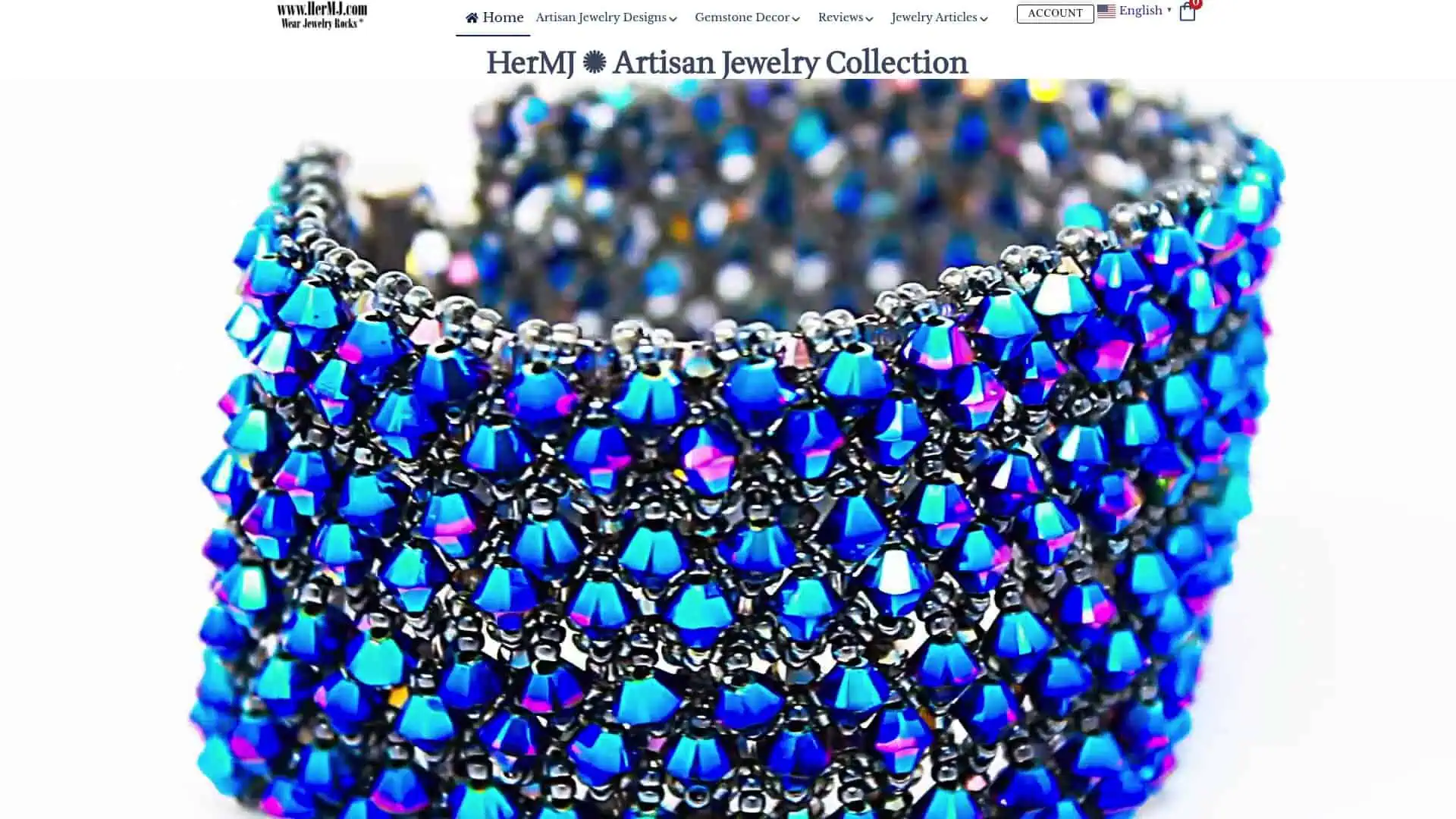
Our Elegant Freshwater Pearl Necklace and Lustrous Freshwater Pearl Bracelet for Elegance include luster and surface descriptions in their listings, along with photos taken against consistent backgrounds so you can assess quality before you buy.
The Pearl And Aquamarine Necklace shows how we pair graded pearls with natural gemstones when design calls for it. Every listing is written to give you the information a good buyer checklist requires.
US orders ship free with no minimum, and international orders ship free at $150 or more.
Sources
These are the primary sources used throughout this article. Each one is publicly accessible and worth bookmarking if you buy pearls regularly.
- Pearl Quality 101: How GIA Examines and Classifies Pearls | GIA 4CS
- Pearl Classification: The GIA 7 Pearl Value Factors | Gems & Gemology
- PEARL BOOK
For report verification, use GIA’s online report check tool at gia.edu and enter the report number directly. If a report number doesn’t appear in the database, treat the document as unverified.
Recommended
- South Sea Pearls: What Collectors Need to Know
- Is AI-Assisted Pearl Grading Redefining Quality and Trust?
- Why Pearl Jewelry Is Undervalued: What Buyers Miss