


Malachite Meaning: Why Its 3.5–4 Mohs Hardness Favors Pendants
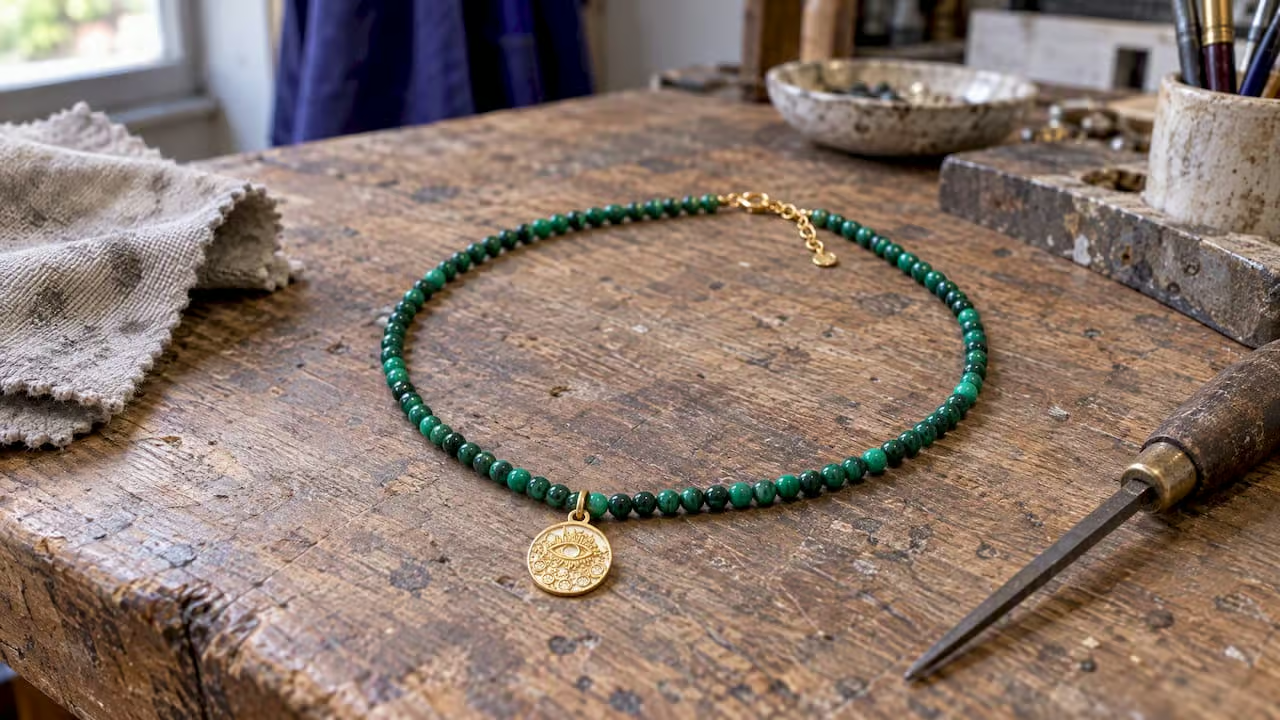
Malachite is a vivid green copper carbonate mineral best known as the Stone of Transformation, a label tied to its long history of symbolic use in jewelry and decorative art.
It’s also closely linked to the heart, drawing attention for its association with emotional change and renewal. We’ll walk through its mineral origins, its symbolism, and how to wear and care for it, including which jewelry styles suit it best.
The Edit
- Malachite rates 3.5 to 4 on the Mohs scale, so pendants and earrings face less damaging friction than rings or bracelets during regular wear.
- Its porous surface can absorb lotions and cleaners, so apply fragrance first, wipe with a slightly damp cloth, dry promptly, and store separately.
- Keep pieces away from direct sunlight, heat, and humidity swings; avoid soaking, ultrasonic or steam cleaners, ammonia, vinegar, and diamond or gold cleaning solutions.
- A 2025 controlled study of 138 adults found no significant anxiety benefit over placebo, so treat malachite as a mindfulness prompt, not medicine.
- Genuine stones have irregular banding and feel dense; avoid uniform stripes or unnaturally flat color, and ask a trusted jeweler or gemologist for confirmation.
What Malachite Is: Chemistry and Formation
Malachite’s chemical makeup is copper carbonate hydroxide, written as Cu2CO3(OH)2.
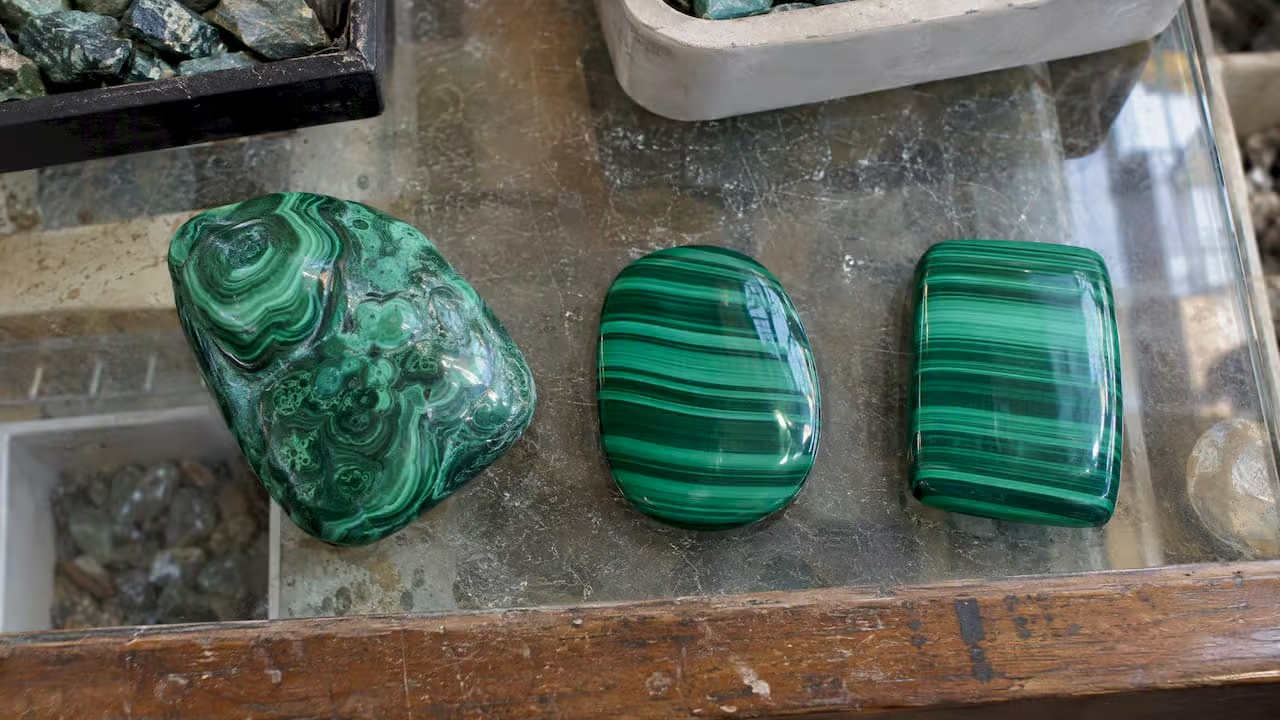
Its signature look comes from banded patterns in varying shades of green, ranging from pale mint to deep forest tones, often arranged in concentric rings or swirling stripes that look almost painted on.
That banding isn’t decoration added by a lapidary. It forms naturally as the mineral grows in layers, each one reflecting a slightly different moment in its mineral history.
Malachite typically forms in the oxidized zones of copper deposits, where copper-bearing fluids react with carbonate-rich groundwater near the earth’s surface.
It’s a secondary mineral, meaning it develops after the original copper ore has been exposed to weathering and chemical change over time.
According to a geology reference on azurite, malachite often occurs alongside azurite, a deep blue copper carbonate, and the two can even transform into one another: azurite can weather into malachite when exposed to heat and humidity over time.
A few mineral facts help explain why malachite looks and behaves the way it does:
- It’s classified as a secondary mineral, forming through weathering rather than primary crystallization deep underground.
- Its green color comes directly from copper content, the same element responsible for the blue in azurite and the patina on aged copper roofs.
- It frequently appears alongside azurite, chrysocolla, and cuprite in the same copper-rich deposits.
- Notable deposits have been documented in regions including the Democratic Republic of Congo, Russia, and parts of the American Southwest, including Arizona’s Morenci mining district.
Because it forms in these specific oxidation environments, high-quality malachite with strong banding is less common than more chemically stable gemstones, which partly explains why finely patterned pieces tend to draw particular attention among collectors and jewelry lovers alike.
Physical Properties, Durability, and Safety
Before you decide how to wear or display malachite, it helps to understand what the stone can and can’t handle.
Malachite sits at roughly 3.5 to 4 on the Mohs hardness scale, which makes it considerably softer than quartz-family gems like amethyst or citrine.
That softness range makes it prone to scratching from daily friction, especially in jewelry worn on the hands.
Malachite is also porous, which changes how you should clean and store it. Harsh chemicals, acidic cleaners, and even some perfumes or lotions can seep into the stone’s surface and alter its appearance over time.
I recommend treating it the way you’d treat a cherished piece of art rather than a durable everyday accessory.
A few practical points worth keeping in mind:
- Mohs hardness of 3.5 to 4 means malachite scratches more easily than many common gemstones.
- Its porous surface can absorb oils, lotions, and cleaning chemicals, which may dull or discolor it.
- Extended heat or strong light exposure can affect its color and surface finish over time.
- Humidity changes can accelerate surface weathering, so stable storage conditions matter.
Pro Tip: Keep malachite jewelry in a soft, fabric-lined pouch away from direct sunlight, and put it on after applying lotion or perfume, never before.
Because of that relative softness, malachite tends to do better in settings with lower daily friction, such as pendants and earrings, rather than pieces that take constant contact and pressure.
Symbolism and Cultural Meanings
Malachite’s reputation as the Stone of Transformation didn’t appear out of nowhere. The label reflects the mineral’s own physical behavior.
It shifts in pattern and tone from layer to layer, and many people have drawn a parallel between that visual change and personal growth or life transitions.
Its association with the heart follows a similar logic, with many wellness traditions linking green stones to emotional balance and renewal.
The symbolic meaning of malachite has varied across cultures and eras, shaped by availability, local beliefs, and artistic fashion. A few historical threads illustrate that range:
- Ancient civilizations, including parts of Egypt and the Mediterranean, used malachite in jewelry, amulets, and cosmetics, often tying its green hue to protection and vitality.
- The 18th- and 19th-century Russian court elevated malachite to a luxury material for decorative arts, using it in veneered furniture, columns, and interior panels, a practice documented in decorative arts research as Russian Mosaic. That status came largely from court patronage and specialized veneering techniques rather than rarity alone.
- In parts of Asia, malachite served a different purpose entirely: artists ground it into a dramatic green pigment for painting rather than carving it into gemstones, as conservation research from the National Museum of Asian Art notes.
These threads show malachite carrying different weight depending on where and when you find it: a protective charm in one era, a luxury veneer in another, a painter’s pigment in a third.
What stays consistent is the connection between its visual transformation and the idea of change, which is likely why the Stone of Transformation label has stuck across so many contexts.
Malachite and Healing: What Science Says and How People Use It
When it comes to crystal healing claims, it’s worth separating what’s been studied from what’s believed.
A 2025 controlled study of 138 adults found no significant clinical difference between using a real crystal and a placebo for reducing anxiety symptoms, suggesting that perceived benefits often tie to belief and expectation rather than any property of the stone itself, according to a controlled study on crystal healing and anxiety.
That doesn’t mean the experience of holding or wearing malachite is meaningless. It means the calming effect many people report likely comes from the experience, intention, and belief rather than a strictly measurable physical mechanism.
Separately, researchers have explored malachite in laboratory settings for entirely different reasons. Materials science studies have examined malachite-based nanocomposites, including ZnO and malachite nanocomposites, to assess antibacterial and wound-healing potential.
That work is experimental materials science, not evidence that wearing malachite jewelry produces a therapeutic effect in the body.
With that distinction clear, using malachite as part of a personal practice, including for meditation, is still a meaningful option for many people, so long as it’s framed as a mindfulness tool rather than a medical treatment.
A few ways people incorporate malachite responsibly:
- Hold a tumbled piece during a few minutes of quiet reflection or breathing exercises.
- Wear a pendant as a personal reminder of an intention, such as embracing a life change.
- Place a polished slice on a desk or nightstand as a visual cue and a tool for mental focus.
How to Wear and Use Malachite in Jewelry, Meditation, and Decor
Given malachite’s softness, how you wear it matters as much as why you wear it. Pendants and earrings sit away from constant contact with hard surfaces, which makes them far more practical choices than rings for daily use.
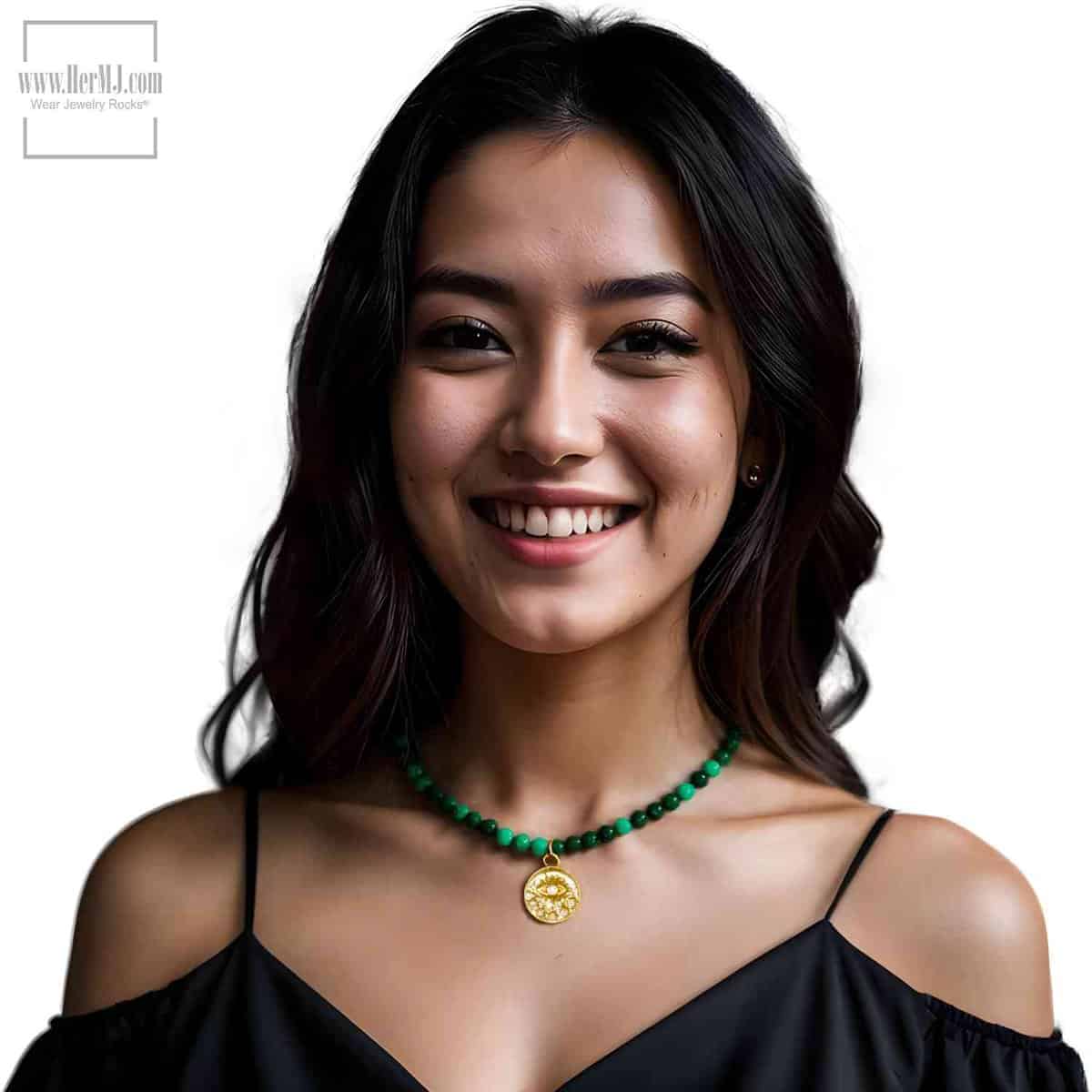
A pendant in particular lets you keep the stone close to the heart, which fits neatly with malachite’s traditional symbolism, while limiting the kind of friction that causes scratches.
If you’re drawn to malachite for meditation or intention-setting, simplicity works best. Hold the stone for a few quiet minutes, focusing on a specific goal or transition you’re working through, or place it nearby during journaling or reflection. There’s no required regimen. The point is consistency and attention, not complexity.
For home display, malachite shows beautifully in forms that highlight its banding:
- Polished slices make striking accent pieces on shelves or desks, letting the natural pattern take center stage.
- Tumbled stones work well in bowls or trays where they won’t be bumped or rubbed against harder materials.
- Inlaid boxes or coasters showcase malachite’s pattern while protecting the surface from everyday wear.
Keep display pieces out of direct sunlight and away from humid spots like bathroom windowsills, since both can accelerate surface changes over time.
Care, Cleaning, and Spotting Fakes
Malachite needs gentler handling than most gemstones in your jewelry box, but the routine itself is simple once you know the rules.
- Wipe the stone with a soft, slightly damp cloth, then dry it immediately with a clean, dry cloth.
- Use mild soap and water only when needed, and avoid soaking the piece, since malachite is porous and absorbs liquid easily.
- Skip ultrasonic cleaners, steam cleaners, and ammonia-based products entirely, since these can permanently damage the stone’s surface.
- Store each piece separately in a soft pouch or lined box to prevent scratching from harder gems or metal clasps.
Pro Tip: If a piece looks dull after wear, a soft cloth buff is usually enough. Reach for water only when necessary, and never subject the stone to vinegar or jewelry-cleaning solutions marketed for diamonds or gold.
When shopping for malachite, a few visual cues can help you spot the real thing. Genuine malachite shows natural, irregular banding with slight variations in shade and width, since no two bands form the same way.
It also has a certain heft to it, a density that feels substantial for its size compared to lightweight dyed glass or resin imitations.
Perfectly uniform, machine-like stripes are a red flag, equally as concerning as color that feels unnaturally bright or flat.
Importantly, avoid any at-home acid testing some guides suggest, since it risks damage and doesn’t offer a reliable answer. A trusted jeweler or gemologist remains the better route if you want certainty.
History and Art: Decorative Uses and Pigments
Malachite’s decorative legacy runs deeper than jewelry. Its most famous architectural moment came during the 18th and 19th centuries, when Russian craftsmen developed veneering techniques that let them apply thin malachite layers over furniture, columns, and entire room interiors, a tradition now studied as
Russian Mosaic in decorative arts scholarship. The result let large surfaces display malachite’s banding without requiring solid blocks of the mineral, which were far harder to source.
In a different artistic tradition, malachite served as a pigment rather than a structural material. Painters in parts of Asia ground it into a vivid green powder used in traditional painting, a practice documented in conservation notes from the National Museum of Asian Art.
Pigment researchers studying historical Chinese paintings have noted that malachite, while prized for its color, could also be chemically unstable in certain applications, which may help explain why other copper-based pigments sometimes replaced it over time.
A quick summary of malachite’s historical roles:
- Architectural veneer in Russian decorative arts, prized for pattern rather than structural strength.
- Ground pigment in Asian painting traditions, valued for its saturated green tone.
- Ornamental carving and jewelry across multiple ancient cultures, often tied to protection symbolism.
Why Our Perspective on Malachite Jewelry Comes From Craft, Not Just Trend
Malachite’s popularity in jewelry today builds on that same decorative legacy, and it’s one we approach with real attention to the stone’s nature.
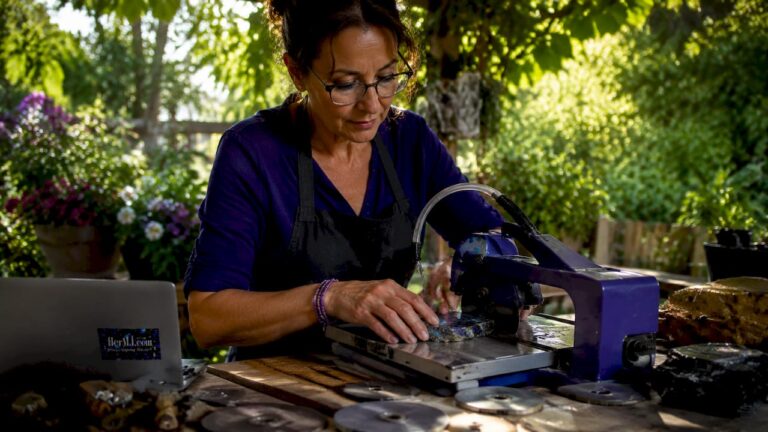
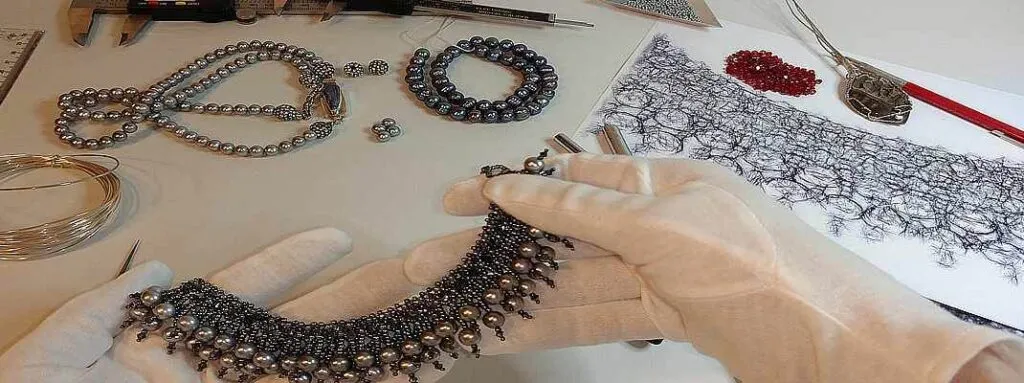
As an artisan jewelry maker, I specialize in pearl and gemstone jewelry crafted from genuine materials, which means I handle malachite the way the stone deserves: with settings and designs that respect its softness rather than fight against it.
That approach shapes how HerMJ prices the pieces we offer. I focus on genuine craftsmanship, which matters when you’re choosing a stone with malachite’s specific care needs.
A well-made pendant or necklace’s construction limits the kind of daily contact that causes scratching, which is exactly why our Natural Malachite Pendant Necklace reflects the durability guidance we’d give any malachite shopper: let it hang close to the heart, away from constant friction, where its banding can be appreciated rather than worn down.
Choosing Malachite for a Meaningful Gift or Personal Milestone
Malachite makes sense as a gift when someone is stepping into a new chapter: a career shift, a move, a recovery, any point where transformation feels personal and important. Its symbolism carries weight precisely because it’s tied to change, not permanence.
That said, I’d balance sentiment with practicality. A stone this soft asks for a little more care than costume jewelry, so pairing the gift with a quick note about gentle cleaning and safe storage goes a long way. If you want a deeper framework for choosing gemstones with intention, our guide on gemstone meaning for gifts walks through that process in more detail.
— Veronique
A Pendant Worth Wearing: The Natural Malachite Pendant Necklace
If malachite’s symbolism speaks to you, a pendant is the most practical way to carry it. Our Natural Malachite Pendant Necklace keeps the stone close to the heart while minimizing the daily friction softer gems can’t handle, letting its natural banding stay front and center instead of wearing thin.
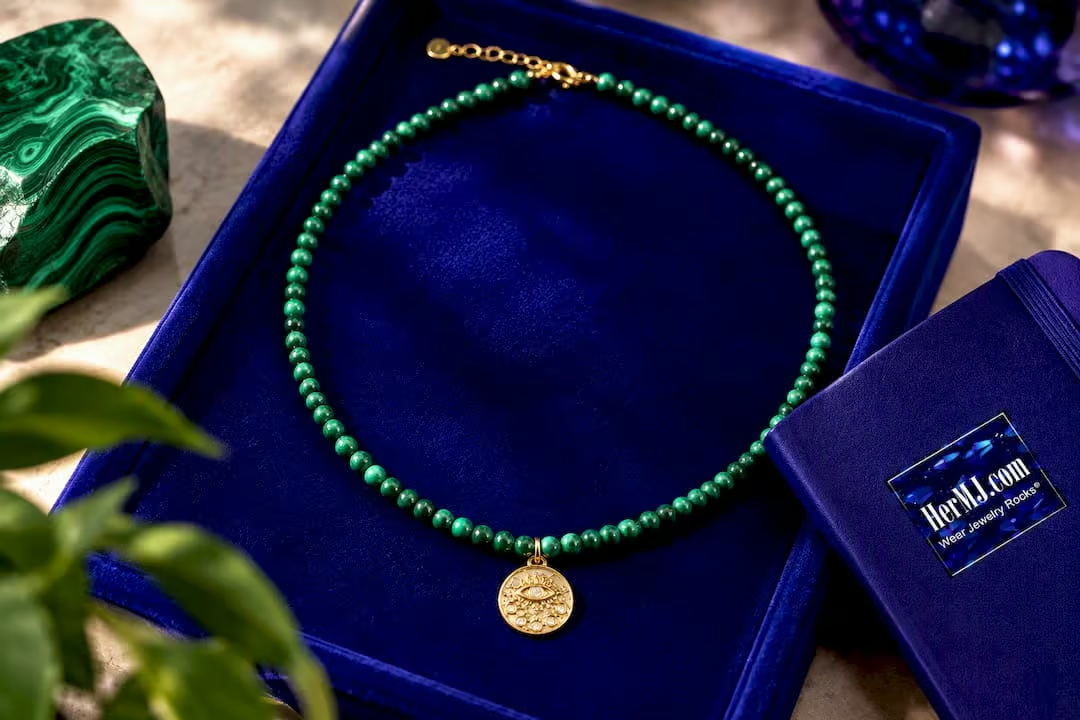
A few reasons this piece fits the guidance in this guide:
- Pendant settings reduce contact compared to rings or bracelets, protecting malachite’s surface over time.
- Each piece reflects genuine stone variation, so no two necklaces show identical banding.
- US orders ship free with no minimum, and international orders ship free for orders of $150 or more.
Visit the Natural Malachite Pendant Necklace page to see available styles and bring one home.
FAQ
Is malachite good for luck?
Malachite is traditionally associated with protection and positive transformation in several historical cultures, though luck itself isn’t a property that can be measured or verified scientifically. Many people wear it as a personal reminder of intention rather than as a guarantee of good fortune.
What are the healing properties of malachite?
Malachite is often associated with emotional balance and heart-centered reflection in wellness traditions, though a 2025 controlled study found no significant clinical difference between a real crystal and a placebo for easing anxiety. Any calming effect wearers report likely comes from belief and personal philosophy rather than measurable physical effects.
Is malachite good for travel?
Malachite’s softness and porosity make it better suited to careful, low-impact wear than frequent travel, where bumps and temperature shifts are harder to control. A pendant stored safely in a pouch travels better than a ring or bracelet that takes constant contact.
What does malachite symbolize in jewelry design?
Malachite is most often linked to transformation and renewal, a meaning tied to its naturally banded, ever-shifting pattern. That symbolism has made it a popular choice in both vintage-inspired and modern jewelry design, often paired with warm metals like gold to highlight its deep green tone.
Sources
- Controlled study on crystal healing and anxiety (2025)
- Green – National Museum of Asian Art
- Azurite: The blue gem material, ore of copper, and pigment.