

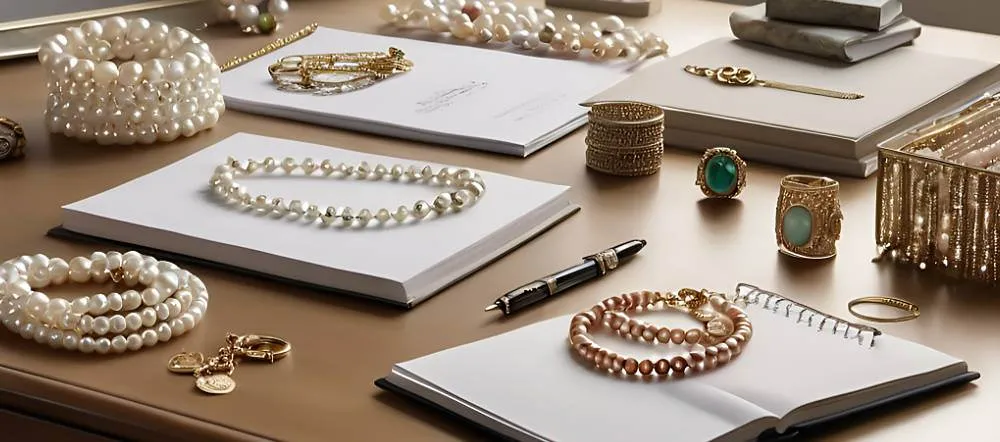

Do Pearls Tarnish? A Designer’s Care Routine Beats Repair
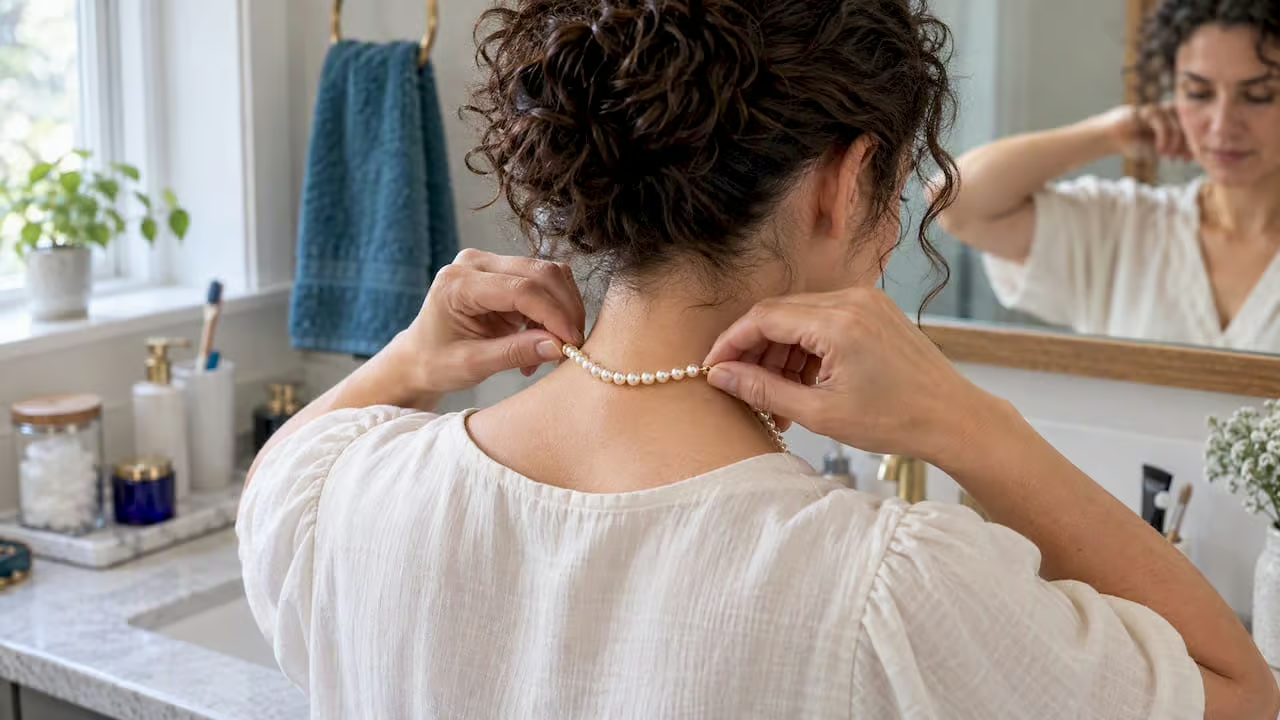
Pearls don’t tarnish like silver, but they can lose luster and suffer surface damage when they come into contact with chemicals, abrasion, heat, or chlorine.
Perfume, hairspray, cosmetics, perspiration, and pool water are the usual culprits.
The good news is that prevention works far better than any attempt to restore badly damaged nacre, and a few simple habits will keep your pearls glowing for years.
TL;DR:
- Perfume, hairspray, cosmetics, sweat, and especially chlorine can dull or etch nacre, so put pearls on last, remove them first, and avoid pools.
- After each wear, wipe pearls with a soft, slightly damp cloth; for occasional cleaning, use mild soap and warm water, then air dry completely.
- Avoid ultrasonic or steam cleaners, jewelry dips, bleach, and ammonia; visible pitting, cracks, powdery bloom, or loose settings call for a jeweler, not home repairs.
- Store pearls in a breathable pouch apart from jewelry, and restring frequently worn silk strands about every two years, before thread wear becomes visible.
Why pearls age differently than metals
Tarnish is a chemical reaction. Silver can develop a dark tarnish, while pearls can lose luster through chemical damage. Pearls aren’t metal, so that process doesn’t apply. They’re organic gems formed by a living mollusk, and they “age” very differently.
Here’s what sets them apart:
- Nacre is layered calcium carbonate. The layered structure gives pearls their soft, glowing luster, but it’s chemically sensitive. With a little care, a pearl’s luster can be enjoyed for years, and even generations.
- Pearls are relatively soft. They rank between 2.5 and 5.0 on the Mohs scale of mineral hardness, so they’re susceptible to scratches and abrasions.
- Damage shows up as dullness, not darkening. A pearl exposed to acid, alcohol, or chlorine tends to look chalky, flat, or pitted rather than black or green.
- Pearls don’t expire. They have no shelf life, but they do need consistent care; heat, dryness, and chemicals can diminish their appearance over time.
Think of a pearl like a fine piece of art: it isn’t fragile in a dramatic way, but it rewards the hand that cares for it properly.
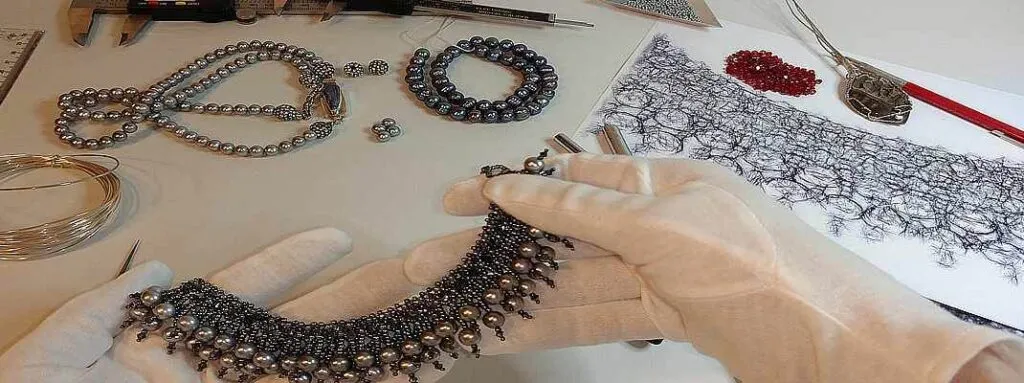
Silver, gray, and black tones you see in some pearls aren’t a sign of tarnish either. Silver is a natural color category in pearls like Tahitian and South Sea, so a metallic overtone is simply part of the gem’s character.
Everyday things that dull or damage pearls
Most pearl damage doesn’t come from one dramatic accident. It builds slowly through small, repeated exposures. Once you know what to watch for, the fixes are easy.
Chemicals are the biggest threat. Hairspray, perfume, cosmetics, and household cleaners can all etch the surface of nacre. Chlorinated water is especially damaging to pearls.
Your own skin plays a part too. Perspiration is slightly acidic, and makeup residue clings to pearls and sits against the surface for hours. Worn daily without wiping, a strand slowly loses its glow. That’s why cleaning after each wear matters so much.
Here are the main hazards, from most to least urgent:
- Chlorine in pools and hot tubs, plus bleach and ammonia cleaners
- Hairspray, perfume, and body lotion applied after you’ve put your pearls on
- Makeup, sunscreen, and sweat left on the surface
- Contact with hard gems, metal clasps, and rough fabrics that scratch the nacre
- Heat, direct sun, and very dry rooms that dehydrate the pearl
- Plastic bags and certain woods that can give off compounds that harm pearls
Storage conditions matter more than most people expect. The Smithsonian’s Museum Conservation Institute notes that unsuitable storage environments can drive deterioration in porous, calcareous materials, while stable humidity and inert storage reduce surface damage. Pearls are made of just that kind of material.
Pro Tip: When you put your pearls on last and take them off first, you’ll avoid coating them with the wet compounds in your perfume, hairspray, and any lotions you apply in your shower.
How to clean pearls safely at home
You don’t need special products to clean pearls. In fact, the fewer products you use, the better. Here’s the routine we recommend, and our own step-by-step pearl cleaning guide goes into more detail.
- Wipe after every wear. Use a soft, slightly damp cloth to remove oils, sweat, and makeup residue. This single habit does more for your pearls than any occasional deep clean.
- Mix a gentle soap bath when needed. For an occasional deeper clean, stir a tiny drop of mild dish soap into a bowl of warm water. Skip hot water, which can stress the strand.
- Rub each pearl gently. Use a soft cloth dipped in the solution and work along the strand, supporting it so the string doesn’t stretch.
- Rinse with a damp cloth. Wipe away any soap using a cloth dampened with plain water. Don’t hold the strand under a running tap.
- Dry completely. Lay the pearls flat on a clean towel and let them air dry fully before storing, since silk thread can hold moisture for hours.
Some things should never touch your pearls. Stay away from ultrasonic and steam cleaners, which can cause splitting, cracking, or discoloration.
GIA also warns that heat and cleaning solutions can damage porous materials like pearls. Also skip jewelry dips, ammonia-based cleaners, bleach, and homemade concoctions.
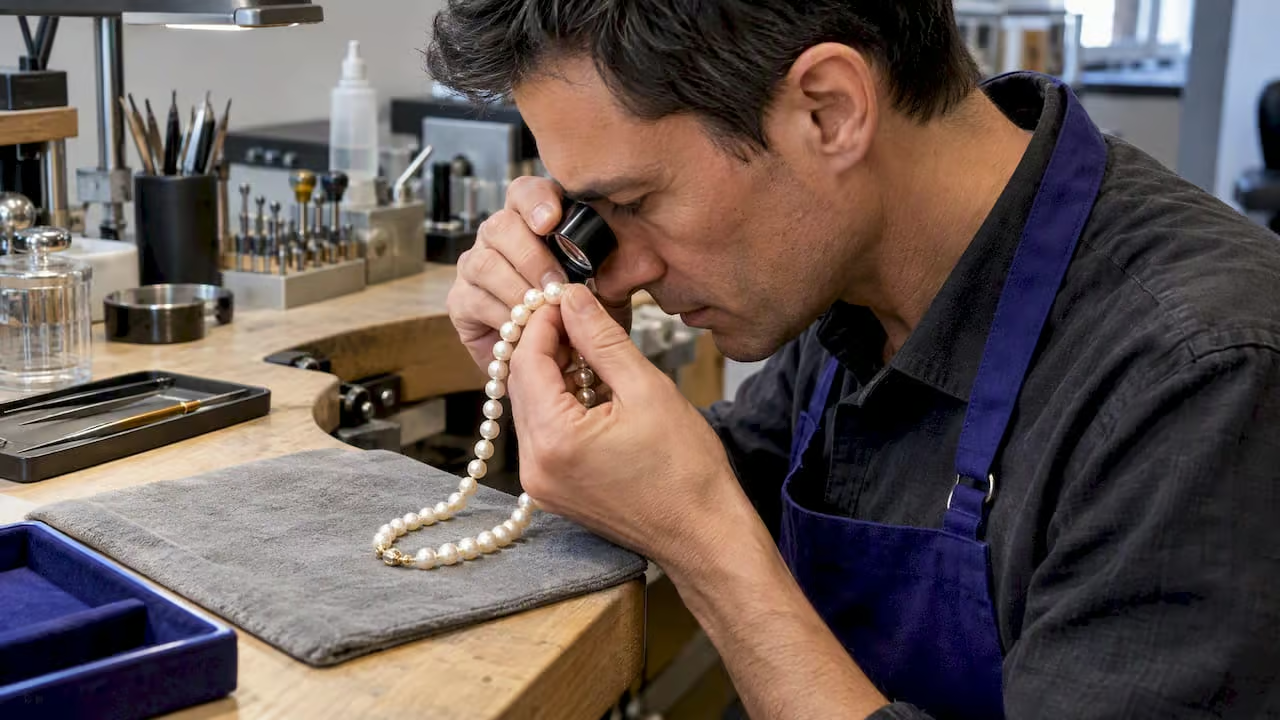
Know when to hand things over to a pro. If you notice a white powdery bloom, visible pitting, cracks, or loose settings, take your piece to a trusted jeweler rather than trying to fix it yourself.
Storage habits that preserve luster
Good storage costs almost nothing, and it prevents most scratches before they happen. A few small changes make a real difference.
- Never use a plastic bag. Store pearls in a soft cloth or breathable pouch. Our guide to storing pearls so they stay lustrous covers pouch and box choices.
- Lay strands loosely. Don’t fold a necklace tightly or hang it where the string bears constant tension. A relaxed strand keeps the thread from stretching.
- Wipe before you put them away. Even a quick pass with a soft cloth removes the oils and residues that would otherwise sit against the nacre overnight.
- Mind the room. Avoid direct heat, a sunny windowsill, or an extremely dry spot, since dehydration from heat or intense light can diminish a pearl’s appearance.
Regular wiping helps remove oils and residues from pearls. We explore storage and wear in our piece on whether pearls lose their luster if they aren’t worn.
Pro Tip: Check your clasps and settings whenever you wipe your pearls. A loose setting is easy to fix early and costly to ignore.
Restringing, repairs, and what can’t be undone
Pearls on a silk thread need attention even when they look perfect. If you wear a strand with silk thread often, plan to have it restrung about every two years. Silk can darken, stretch, or wear thin, and knots between pearls help limit loss if the string breaks.
Here’s what a good restringing and repair visit usually covers:
- A fresh silk thread, knotted between every pearl
- A check of the clasp and any metal findings, tightened or replaced as needed
- A gentle cleaning of the strand while it’s apart
Be realistic about what repair can do. Once nacre is severely pitted, dulled, or chemically etched, cleaning can’t fully bring back its luster.
Deep nacre loss is permanent, which is exactly why avoiding the damage in the first place beats trying to fix it afterward.
A designer’s checklist for pearls that last
I’ve learned that the best routine is the one you’ll actually follow. I always advise these four steps: put pearls on last and take them off first, wipe them after every wear, keep them away from pools and hot tubs, and store them in a soft pouch.
That’s it.
Skip the fancy gadgets and the miracle cleaners.
If you want more detail, my care guides on water exposure and cleaning walk you through specific situations.
And if you’re shopping, browse our necklace collection for pieces made to handle real life.
US orders ship free with no minimum, and international orders ship free for orders of $150 or more.
— Veronique
Pearl and gemstone pieces made for everyday care
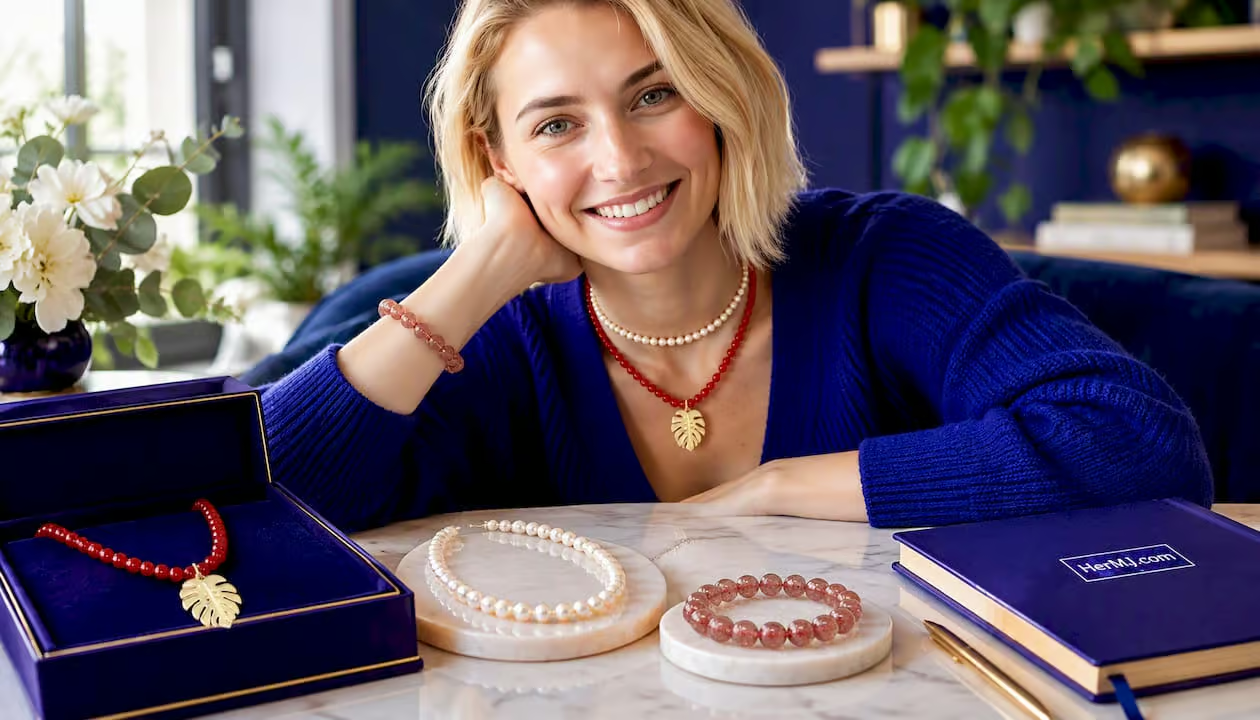
HerMJ jewelry is artisan-created to be worn and loved, and these pieces fit the care routine above. Each one pairs genuine materials with simple upkeep, so you can wear them with confidence.
- Elegant Freshwater Pearl Necklace: Genuine freshwater pearls, a natural match for the habits in this guide. Wipe it after each wear and store it in a soft pouch.
- Carnelian Necklace: A warm, natural gemstone piece that’s easy to maintain with a soft, damp cloth.
- Strawberry Quartz Gemstone Bracelet: A soft pink gemstone bracelet; keep it away from harsh chemicals and store it apart from other jewelry.
Ready to start? Explore our full range of pearl and gemstone jewelry and find a piece that suits your style.
FAQ
Do pearls expire?
No, pearls don’t have a shelf life. They’re organic gems that need consistent care, though, because aging, heat, intense light, and chemical exposure can dull their appearance over time.
What do silver pearls mean?
Silver is a natural color category, not a sign of tarnish. Overtones and bodycolors like silver, gray, and black occur naturally in pearl types such as Tahitian and South Sea.
How do you make pearls shine again?
Start by wiping them with a soft, damp cloth, then give them a gentle bath in warm water with a tiny drop of mild dish soap. Dry them fully. If the nacre is pitted or etched, cleaning can’t fully restore it, so a jeweler is your next step.
Can you wear pearls in water?
It’s best to avoid it, especially chlorinated water. Pool chemicals are among the most damaging things for nacre, so take your pearls off before swimming and see our guide on pearls and water.
Recommended
- The Truth About Pearl Durability: A Designer’s Guide to Care
- Do Pearls Lose Their Luster If Not worn? Restore Their Shine
- How to Fix Yellowed Pearls: Safe Home Methods That Work