

Anniversary Gemstones: The Complete Year-By-Year Guide
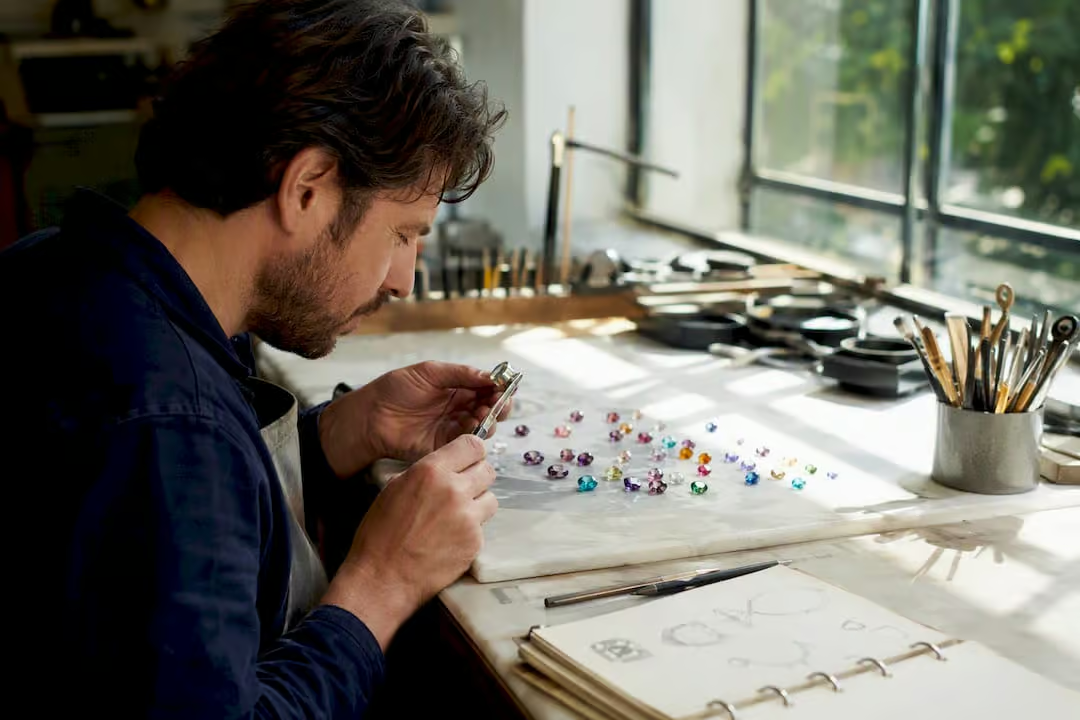
Most wedding anniversaries have an associated gemstone, and the milestone years follow a pattern jewelers have used for generations: sapphire for the 5th, diamond for the 10th, ruby for the 15th, emerald for the 20th, pearl for the 30th, and gold or diamond again for the later jubilees.
These pairings come from an industry-standard list published by trade groups like Jewelers of America, not from any legal requirement or ancient decree.
- Milestone shortcuts: 5=sapphire, 10=diamond, 15=ruby, 20=emerald, 30=pearl, 50=gold/topaz, 60=diamond
- The catch: these lists are guidance, not gospel
- What’s ahead: a full 1 to 60 reference plus real buying and care advice
Below, you’ll find the complete anniversary gemstones list, year by year, along with how to pick a stone that actually suits the person wearing it.
Key Takeaways
Anniversary gemstones follow a widely used but non-binding industry chart, and durability, not tradition alone, should guide which stones go into daily-wear jewelry versus occasional pieces.
| Point | Details |
|---|---|
| Milestones matter most | Use sapphire (5th), diamond (10th), ruby (15th), emerald (20th), pearl (30th), gold (50th), and diamond (60th) as anchor years. |
| Lists are guidance, not law | Jewelers of America and GIA both frame anniversary charts as inspiration, not a fixed rulebook. |
| Hardness determines the jewelry type | Stones below 6.5 Mohs, like pearl and opal, wear better as pendants or earrings than daily rings. |
| Budget varies widely by stone | Milestone pieces can range from a few hundred dollars to well over $5,000, depending on carat and setting. |
| HerMJ offers matching handmade pieces | Pearl, garnet, opal, moonstone, and lapis lazuli designs are available and customizable, with free US shipping. |
Why Anniversary Gemstone Lists Don’t Always Match
If you’ve ever searched for “20th anniversary stone” and gotten three different answers, you’re not imagining a mistake. You’re seeing the gap between the traditional Victorian list and the modern list most American jewelers use today.
The traditional list grew out of 19th-century European customs, where certain years earned metals (paper, tin, wool) rather than stones.
Modern American jewelers, largely coordinated through groups like Jewelers of America and the American Gem Trade Association, filled in the gaps decades later so nearly every year would have a gemstone worth gifting. That consolidation is why you’ll now see a stone attached to years that traditionally had none.
The Gemological Institute of America puts it plainly: there’s no single official list, and the whole point is to inspire a gift that means something to the couple, not to enforce a rule. A few things worth knowing before you shop:
- Early years (1 through 10) show the most regional disagreement between traditional and modern lists.
- U.S. retailers overwhelmingly follow the modern consolidated list, which is what you’ll see in most stores and catalogs.
- When two stones are listed for the same year, either is considered correct. Pick based on color preference or durability.
The Complete Anniversary Gemstone List, Year By Year
Jewelers of America’s list assigns a stone or metal to nearly every year through 60, and it’s the version most American retailers reference. The International Gem Society publishes a nearly identical chart, with small variations in a handful of early years.
- 1st: Gold. Simple gold jewelry, traditionally used rather than a specific gemstone.
- 2nd: Garnet. A deep red stone traditionally chosen.
- 3rd: Pearl. An organic and softer gem, generally suited to pendants or earrings.
- 4th: Blue Topaz. A durable and affordable gemstone.
- 5th: Sapphire. A traditional milestone stone known for durability and suitability for daily wear.
- 6th: Amethyst. A moderate durability gemstone, often budget-friendly.
- 7th: Onyx. A bold black stone commonly used in bracelets or pendants.
- 8th: Tourmaline. A versatile gemstone found in many colors.
- 9th: Lapis Lazuli. Traditionally prized for its deep blue color, often used in less exposed types of jewelry.
- 10th: Diamond. A milestone known for unmatched hardness and ideal daily wear suitability.
- 11th: Turquoise. Soft and porous, best kept away from daily friction.
- 12th: Jade. Tough (6.5 to 7 Mohs) with deep cultural roots in East Asia.
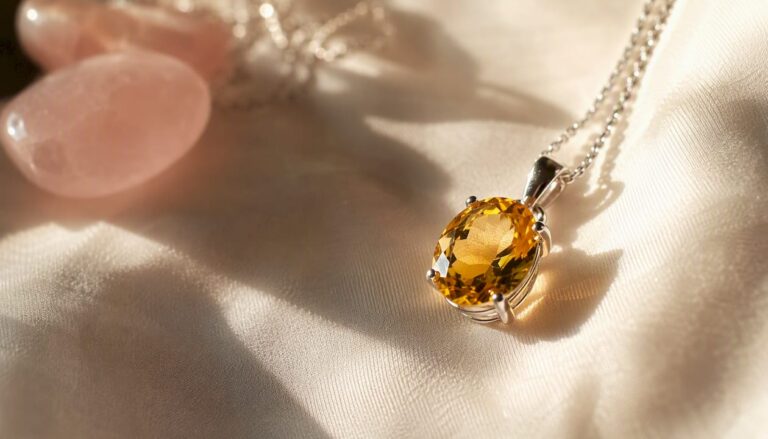
- 13th: Citrine. Warm yellow quartz, an affordable everyday option.
- 14th: Opal or Moonstone. Both are prized for their shifting light, both are soft (5.5 to 6.5 Mohs) and better suited to occasional wear.
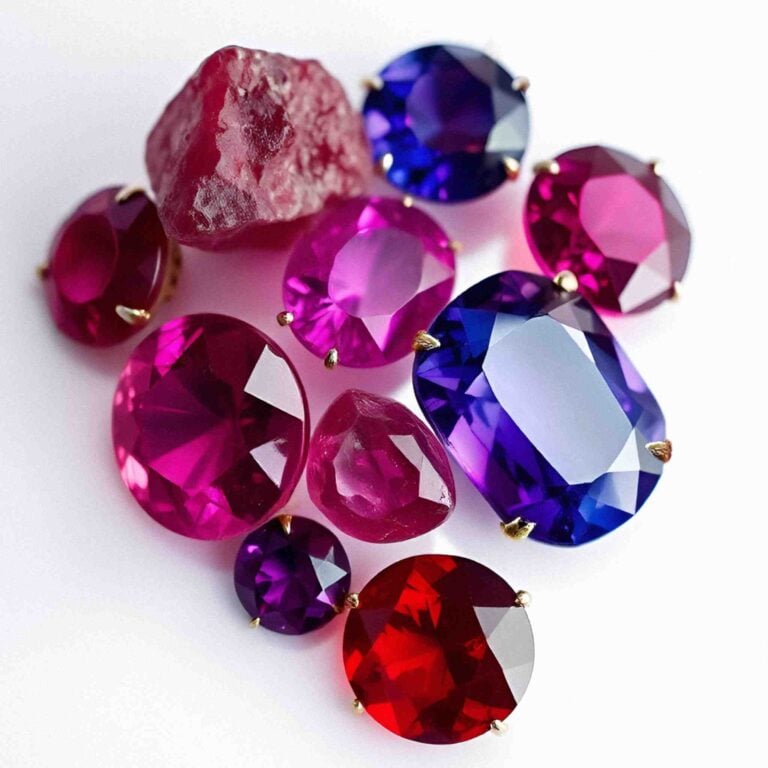
- 15th: Ruby. Another major milestone. Ruby shares diamond’s 9 Mohs hardness, making it excellent for rings.
- 16th: Peridot. A fresh green stone, moderately durable at 6.5 to 7 Mohs.
- 17th: Watches. Traditionally a timepiece rather than a stone.
- 18th: Cat’s Eye. Named for its optical shimmer, a distinctive conversation piece.
- 19th: Aquamarine. Cool blue, durable at 7.5 to 8 Mohs.
- 20th: Emerald. A milestone year. Beautiful but relatively soft at 7.5 to 8 Mohs with natural inclusions, so emerald settings benefit from protective mountings.
- 21st: Iolite. An underused violet blue stone with real depth.
- 22nd: Spinel. Increasingly popular as a diamond alternative, and genuinely durable at 8 Mohs.
- 23rd: Topaz (imperial). A warmer variation on the 4th year’s blue topaz.
- 24th: Tanzanite. Rare and prized, though softer (6 to 7 Mohs) than most milestone stones.
- 25th: Silver. The classic quarter-century marker, a metal rather than a gem.
- 26th to 29th: Less standardized across lists; many jewelers suggest birthstones or personal favorites here.
- 30th: Pearl. A milestone repeat of the 3rd year’s stone, now often given as a fuller strand or statement piece.
- 35th: Emerald or Coral.
- 40th: Ruby.
- 45th: Sapphire.
- 50th: Gold or Imperial Topaz. The golden anniversary, often marked with rich yellow tones.
- 55th: Emerald or Turquoise.
- 60th: Diamond. The diamond jubilee, mirroring the 10th year’s stone as the ultimate durability statement.
Price expectations shift a lot by stone and quality. Guides commonly cite ranges like $300 to $2,000 for a 5th-anniversary sapphire piece and $500 and well beyond $5,000 for 10th-anniversary diamonds, depending on carat weight and setting.
How to Choose the Right Anniversary Gemstone
If the year lands on a milestone, use that stone; it carries the most recognized meaning. For every other year, choose based on what the recipient will actually enjoy wearing and how often.
Durability decides more than most people expect. The Mohs hardness scale runs from 1 (talc) to 10 (diamond), and it tells you how well a stone resists scratching from daily bumps.
Sapphire and ruby sit at 9, diamond at 10, which is why all three show up in rings meant for constant wear.
Pearl, opal, and turquoise sit much lower, between roughly 2.5 and 6.5, so they belong in pendants, earrings, or bracelets that see gentler handling.
Before buying, run through this checklist:
- Who’s wearing it, and how often will they have it on?
- What jewelry type fits their lifestyle: pendant, earrings, bracelet, or ring?
- What’s the budget, and does the milestone stone fit it, or does an alternate make more sense?
- Does the color and cut match their existing jewelry?
- What questions should you ask a jeweler about setting and stone treatment?
Pro Tip: Ask about protective settings, like a bezel edge or a halo of smaller hard stones, if you’re set on gifting something soft like pearl or opal. A good setting lets a delicate stone survive real life without losing its shine.
Gift Ideas That Match the Stone to the Occasion
Soft stones read best as pendants or earrings, where they avoid daily friction; hard stones like sapphire, ruby, and diamond can go into bracelets or worn pieces that face more contact. Many couples build a small collection over the years, adding a piece at each milestone rather than replacing what came before, which turns a string of anniversaries into an actual set of jewelry with a story attached.
- 30th-anniversary pearls pair naturally with a piece like an Elegant Freshwater Pearl Necklace.
- 9th-year lapis lazuli tones work well in a Lapis Lazuli Bracelet With Tahitian Pearl Accent.
- 14th-year opal or moonstone finds a home in an Australian Opal Necklace and Moonstone Pendant.
- Complementary metals (rose gold, sterling silver) can tie separate pieces into a cohesive look over time.
Where Anniversary Gemstones Actually Came From
The custom of gifting a specific material for each wedding year traces back to German and Austrian traditions in the Middle Ages, where a wreath of silver marked a 25th anniversary and one of gold marked the 50th.
Those two milestones are the oldest and most consistent across every version of the list you’ll find today, which says something about how deeply “silver” and “golden” anniversaries became embedded in Western culture.
Victorian England expanded the custom into a fuller list covering more years, mixing materials like paper, wood, and tin with actual gemstones. That version stayed largely intact until American jewelers, working through trade groups in the 20th century, filled in the remaining gaps with gemstones so almost every year had something worth buying.
The commercial motive is worth being honest about, as highlighted in gift ideas for music anniversaries: the personal touch. A year-by-year gemstone list gives jewelers and gift shoppers a reason to mark occasions that otherwise had no built-in gift-giving tradition at all.
That doesn’t make the tradition hollow.
It’s the same instinct behind birthstones: assigning meaning to a date gives people a starting point for choosing something personal, even if the assignment itself came from a marketing committee rather than a myth.
Cultures with older gem traditions, India’s use of navaratna gemstones for planetary protection, for instance, or China’s centuries-long reverence for jade, developed their symbolism independently of the Western anniversary calendar and for entirely different reasons.
How Anniversary Gemstone Symbolism Shifts Across Cultures
A gemstone rarely means the same thing in two places. Ruby represents passion and vitality in most Western anniversary lists, but in Hindu tradition it’s connected to the sun and associated with leadership and courage.
Jade, assigned to the 12th anniversary in American lists, carries far deeper weight in Chinese culture, where it has symbolized purity, protection, and social status for thousands of years, worn by emperors and buried with the dead.
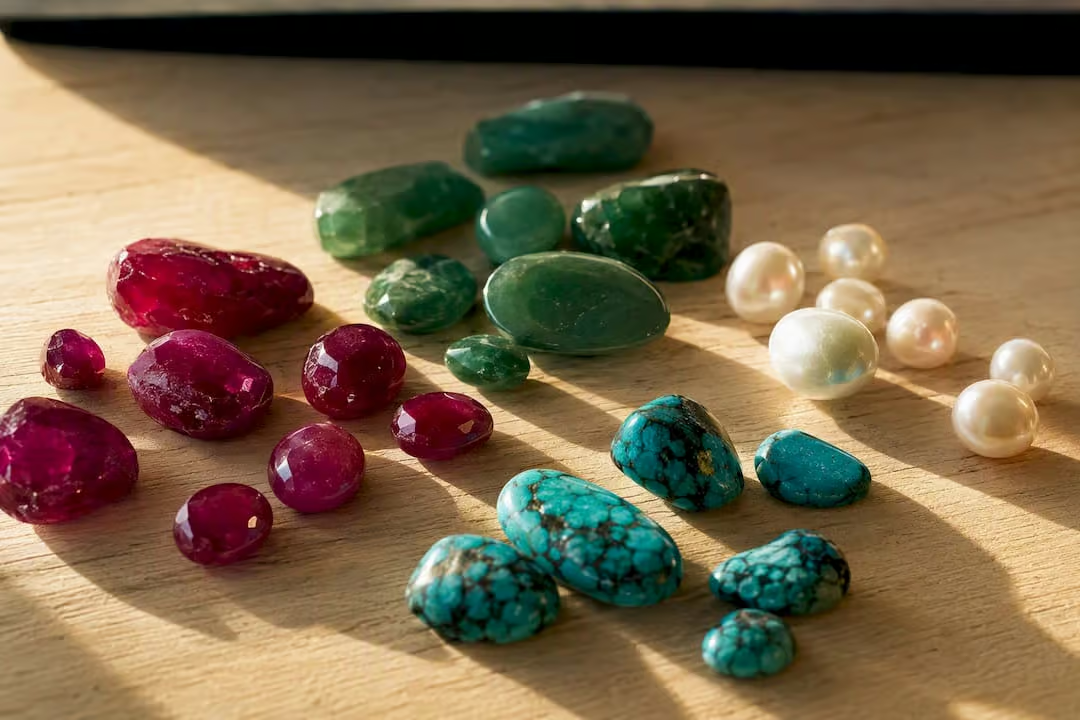
Pearls tell a similarly split story.
Western anniversary lists tie pearl to the 3rd and 30th years, largely for its soft, romantic appearance. In parts of the Middle East and South Asia, pearls carry associations with the moon, feminine wisdom, and purity that predate any Western marketing list by centuries. Turquoise, linked to the 11th year in the American chart, holds sacred status among Native American and Persian traditions, where it’s long been considered a protective stone rather than a decorative one.
None of this means one interpretation is correct and the others aren’t. It means a gemstone’s meaning depends heavily on which cultural lens you’re using, and couples with mixed heritage or personal ties to another tradition have every reason to lean into whichever symbolism actually resonates.
A ruby chosen for its Western “passion” meaning and a ruby chosen for its Vedic solar symbolism are both legitimate reasons to buy the same stone.
Myths Worth Retiring About Anniversary Gemstones
The biggest misconception is that these lists are fixed rules rather than flexible suggestions. There’s no governing body that certifies a “correct” 8th-anniversary gift, and no penalty for choosing tourmaline over the alternate stone your list happens to show.
A second myth: that the traditional and modern lists are somehow in conflict, with one being more “authentic.” They’re just different eras of the same custom.
The traditional list reflects older European customs; the modern version reflects 20th-century retail consolidation. Neither is more legitimate than the other, and plenty of jewelers blend both when a customer asks.
A third misconception is that a gemstone’s assigned year has anything to do with its actual value or rarity. Diamond shows up twice (10th and 60th) mostly because of its durability and market dominance, not because it’s inherently more meaningful than sapphire or ruby. Some of the rarest, most valuable stones in the world, tanzanite among them, land on relatively minor years.
Finally, people often assume every year has a single stone. Several years, including the 8th, 14th, and 55th, list two or more acceptable options. There’s no wrong choice between them, only a better fit for the wearer’s taste, budget, or lifestyle.
What HerMJ Thinks About Anniversary Gemstone Gifts
Anniversary gemstones work best when they’re handcrafted with an eye toward both meaning and daily wearability, not mass-produced to a spec sheet. HerMJ specializes in genuine pearls and natural gemstones, builds pieces to add a reference point to a couple’s story, and prices them so quality doesn’t require a milestone-sized budget.
Customer reviews consistently point to the craftsmanship and the personal touches that come from working with an artisan rather than a factory catalog. Browse our freshwater pearl jewelry collection if you’re shopping for a stone-specific milestone.

Shop Anniversary Gemstone Gifts That Match the Milestone
If you already know the stone you’re shopping for, HerMJ has pieces built around most of the common anniversary years. A 30th-anniversary pearl gift finds a natural match in the Elegant Freshwater Pearl Necklace or the Lustrous Freshwater Pearl Bracelet for Elegance, both handmade from genuine cultured pearls. Not imitation beads.
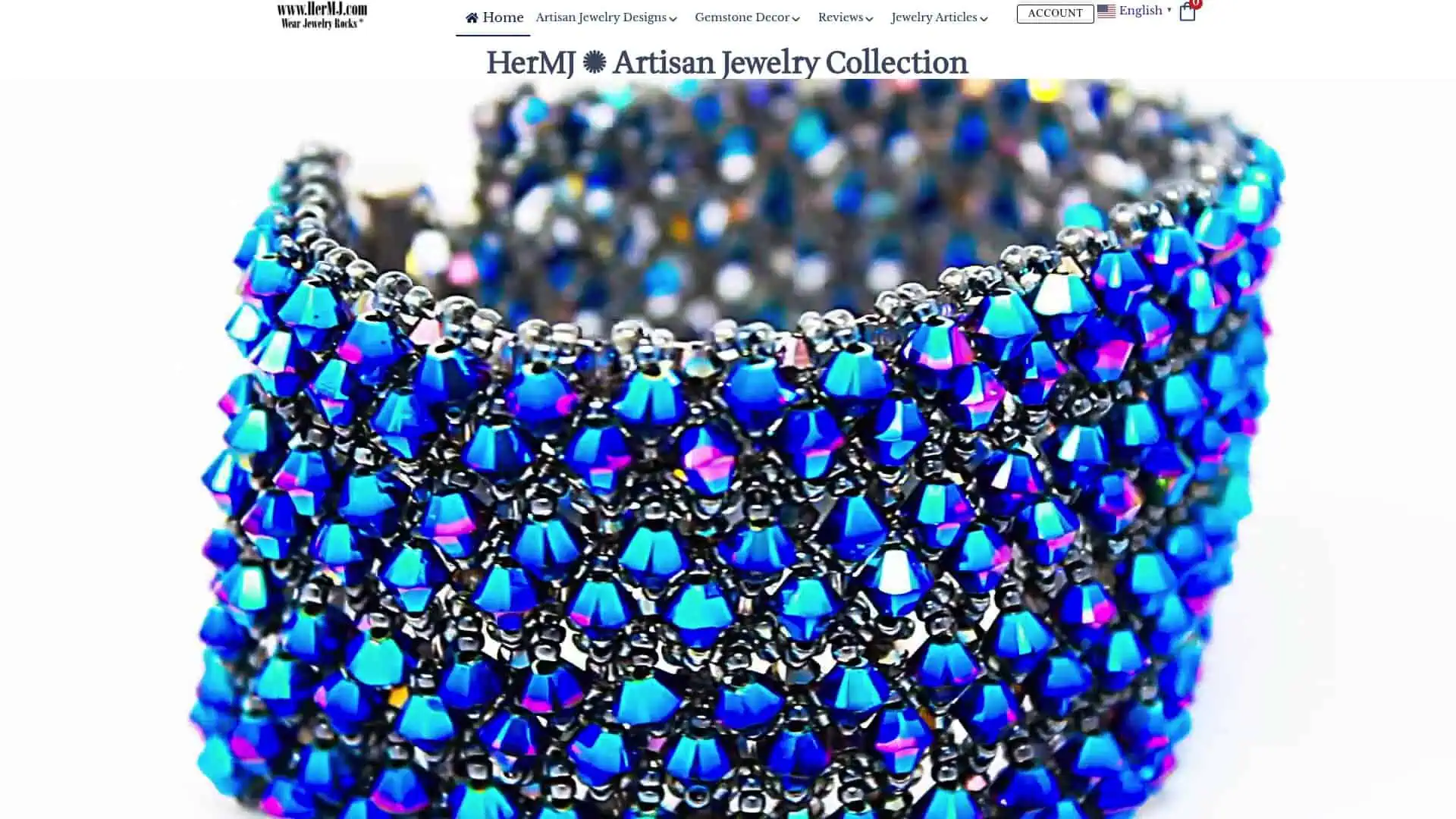
For the 2nd-year garnet tradition, the Faceted Garnet Gemstone Necklace delivers deep color without a heirloom price tag. Someone drawn to the 14th year’s opal or moonstone symbolism will find both in one piece with the Australian Opal Necklace and Moonstone Pendant, and the Lapis Lazuli Bracelet With Tahitian Pearl Accent covers the 9th year’s blue stone tradition while adding a pearl accent that echoes the pieces made for pearl-year milestones.
US orders ship free with no minimum, and international orders ship free for order start at $150. Visit the HerMJ shop to find the piece that matches your anniversary year.
Sources
- Anniversary | Jewelers of America
- Anniversary Gifts By Year – International Gem Society
- Wedding anniversary gemstone years one through ten | GIA
Recommended
- Gemstone Jewelry for Every Season: Style Guide
- Alternative Birthstones | Handmade Gemstone Jewelry by Month
- Gemstone Jewelry Outfit Pairing: Style It Right