


Expect 20–30% Resale: How Freshwater Pearl Value Maps to US Prices

Most freshwater pearl jewelry sells for under $200 at retail, while well-matched premium strands and large Edison pearls can climb into the low thousands.
The gap between those two numbers comes down to six factors: luster, size, shape, surface quality, nacre, and how well a strand is matched.
If you’re buying or selling, resale recovery tells its own story too, since freshwater pearls can return a smaller share of retail than saltwater varieties.
The Edit
- Luster is the most important quality factor. High-quality luster pearls appear to glow from within and outperform larger, duller pearls.
- Resale value for freshwater pearls generally recovers only 20% to 30% of retail, unless the piece has top-tier quality or recognized branding.
- Natural color pearls are typically softer and more valuable, with lavender and deep metallic hues being the rarest and most desirable.
- Buyers should verify pearl grade, size, color, and treatment through appropriate certification or documentation for better value and authenticity.
Freshwater Pearl Value: The Seven Quality Factors That Set the Price
Every appraiser and jeweler I know leans on the same framework when they pick up a pearl for the first time.
It’s the framework the Gemological Institute of America developed to standardize what used to be a very subjective business, and it breaks pearl quality into seven measurable traits: size, shape, color, luster, surface quality, nacre, and matching.
Learn to read these seven, and you’ll never overpay for a strand again.
Luster is the one that matters most. That’s the sharp, mirror-like reflection you see when light hits the surface of a fine pearl, and it’s the single biggest influence in the perceived value in the freshwater pearl market.
A pearl with weak luster looks chalky and flat no matter how large it is. A pearl with strong luster seems to glow from inside, almost like it’s holding a small lamp.
When you’re shopping on a budget, prioritize luster over size every time. A smaller pearl with brilliant shine will outshine (literally) a bigger one that looks dull under a lamp.
Size matters, but not in a straight line. Freshwater pearls run anywhere from tiny 2mm seed pearls to Edison pearls topping 16mm, and price does not climb steadily as millimeters increase. It jumps.
A pearl that grows from 8mm to 9mm might see a modest bump, but crossing into the 11mm plus Edison range can multiply the price several times over, because so few mussels produce a pearl that large with decent roundness intact.
Shape carries its own hierarchy. Perfectly round pearls are the rarest freshwater shape and carry the steepest premium, followed by near round, then oval, button, drop, and baroque.
Here’s what a lot of buyers get wrong, though: baroque pearls, with their organic, irregular silhouettes, have become genuinely desirable for their one of a kind character.
A high luster baroque pearl can out price a mediocre round one. Rarity of shape does not automatically mean higher aesthetic value, and plenty of designers now build entire pieces around baroque freeform shapes on purpose.
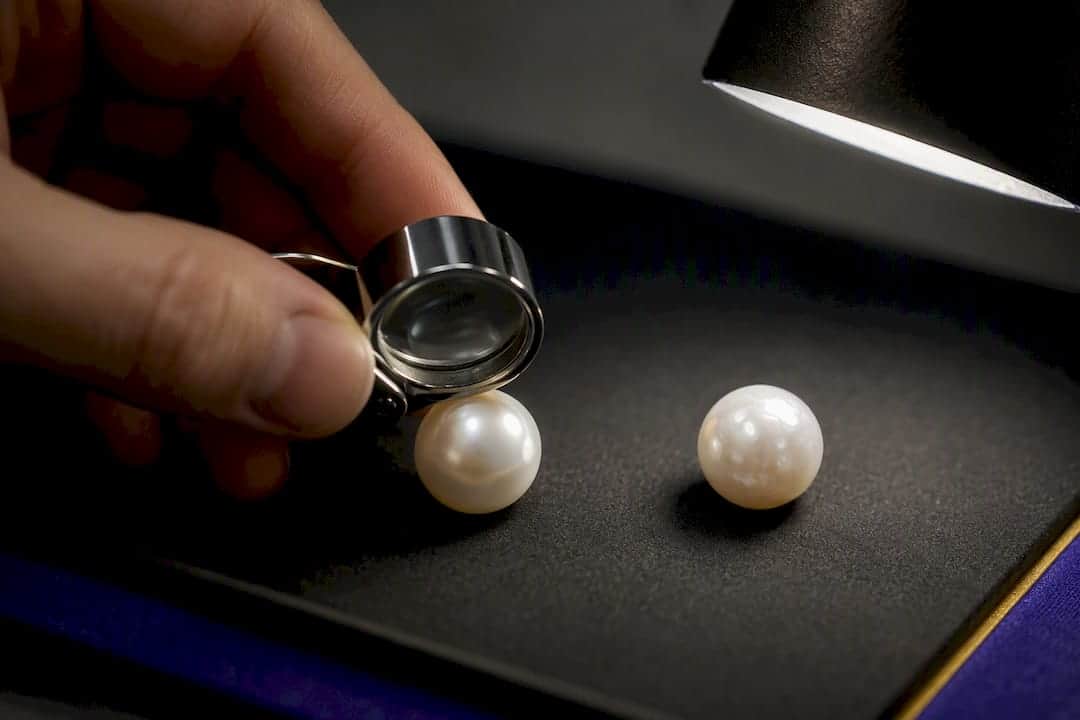
Surface quality is where a jeweler’s loupe earns its keep. Look for bumps, spots, cracks, and chalky patches. A pearl is graded clean, lightly blemished, moderately blemished, or heavily blemished, and each step down in surface quality shaves real dollars off the price.
Under a simple desk lamp at home, tilt the pearl slowly and watch how the light travels across the surface. Clean, consistent reflection means clean surface. Broken or patchy reflection means blemishes.
Nacre thickness determines whether a pearl will still look beautiful in twenty years.
Nacre is the actual substance secreted by the mussel that builds up in layers around the irritant, and thin nacre means a pearl that can craze, peel, or lose its glow with age.
Freshwater pearls are cultured almost entirely of nacre (unlike some saltwater pearls grown around a bead nucleus), which is part of why they tend to hold up well over decades of wear, according to GIA’s pearl description guidance.
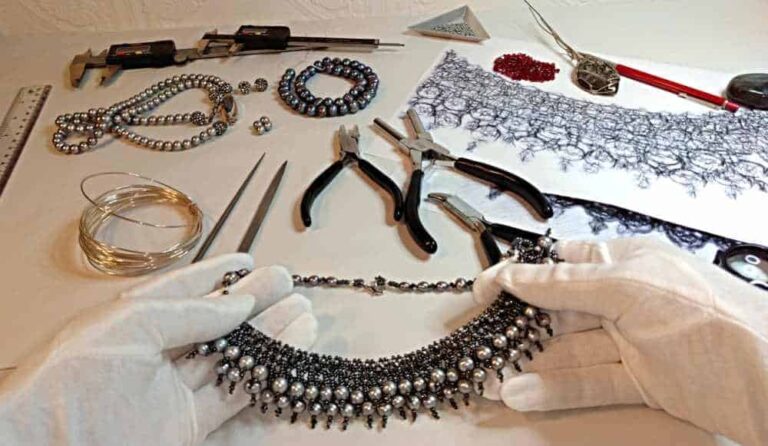
Matching is the factor most first-time buyers underestimate. Building a well matched strand means sorting through thousands of individual pearls to find enough that share consistent size, shape, color, and luster to sit together convincingly.
That type of labor commands a real premium over the sum of the loose pearls involved, according to wholesale trade analysis.
Color and treatment round out the list. Natural freshwater pearls come in soft whites, pinks, peaches, and lavenders, often with a secondary overtone that shifts depending on the light. Well, treated color typically trades at a discount for long-term value compared to natural overtones.
A few practical checks worth building into your routine:
- View the pearl under a north-facing window or a daylight-balanced lamp, never warm incandescent bulbs that mask flaws.
- Roll it slowly between your fingers to check for consistent luster across the entire surface.
- Look closely at the drill hole for dye pooling or discoloration that suggests treatment.
- Compare pearls side by side rather than one at a time, since color and luster differences are far easier to spot in contrast.
Pro Tip: Bring a small jeweler’s loupe (or your phone’s macro camera) when shopping in person. Surface blemishes that are invisible to the naked eye show up immediately once you zoom in, and sellers know a buyer who checks closely is a buyer who won’t overpay.
What Do Freshwater Pearls Actually Cost by Size and Grade?
Price bands widen fast as pearls get larger and cleaner, which is exactly why a strand of 9mm pearls can cost five times what an otherwise similar 7mm strand costs.
These figures apply to full matched strands rather than single loose pearls, and they reflect the reality that finished necklaces carry a labor premium on top of the raw pearl cost.
A commercial-grade 7mm strand at $60 might sell for a fraction of that if you’re buying the pearls loose and unstrung.
Large Edison pearls in top grades can visually rival Akoya or South Sea strands at a much lower price point, which is part of why they’ve become one of the fastest-growing categories in the freshwater pearl market, per the same pricing guide.

Freshwater mussels can produce dozens of pearls per harvest cycle, compared to the single pearl most saltwater oysters yield.
That production math floods the entry and mid tiers of the market with supply, which is a big part of why freshwater strands stay so much more affordable than their saltwater counterparts at comparable sizes, according to wholesale manufacturing data.
It’s worth remembering that exceptional pearls, natural or historic ones sold at auction houses like Sotheby’s, can fetch prices in the hundreds of thousands.
Those sales involve rare natural pearls, not cultured freshwater pieces, and they have almost no bearing on what you’ll pay or receive for a cultured strand.
Curious how these bands translate into a finished piece? Our guide to freshwater pearl prices breaks down real examples across common necklace and bracelet lengths.
How Much Will You Actually Get for Pearls at Resale?
Set your expectations early, because this is where a lot of sellers get discouraged. Resale recovery for freshwater pearls typically runs around 20% to 30% of original retail price, unless the piece falls into the top 1% of quality or carries a recognizable brand name, according to pearl valuation guidance.
Factors to consider:
- Overtone color that shifts unevenly across a strand instead of reading consistently.
- Visible dye pooling around the drill holes, a sure sign of color treatment.
- A surface that looks unnaturally smooth or plastic-like under close inspection, which can indicate an imitation rather than a real cultured pearl.
Pro Tip: Don’t underestimate the setting. A well-designed clasp and quality metal setting can make a modest-grade pearl look considerably more refined, while a cheap finding can drag down even a genuinely nice pearl’s perceived value. For a deeper look at how to spot the real thing, our authenticity testing guide walks through six quick checks you can do at home.
How HerMJ Curates and Prices Freshwater Pearl Pieces
When we’re sourcing pearls for a new piece, luster and matching are the two factors we scrutinize hardest. Nacre thickness comes next, since it determines whether the finished piece still looks radiant a decade from now, not just on the day it ships. We look for consistent overtone across every pearl going into a strand, because that consistency is what separates a piece that reads as considered from one that reads as thrown together.
A few catalog examples show how this plays out at different budget points:
- The Elegant Freshwater Pearl Necklace suits a buyer who wants classic, well-matched luster for everyday wear or a special occasion without stretching into top-tier pricing.
- The Lustrous Freshwater Pearl Bracelet for Elegance fits a shopper in the entry to mid budget tier who wants a wearable, versatile piece that still shows strong shine.
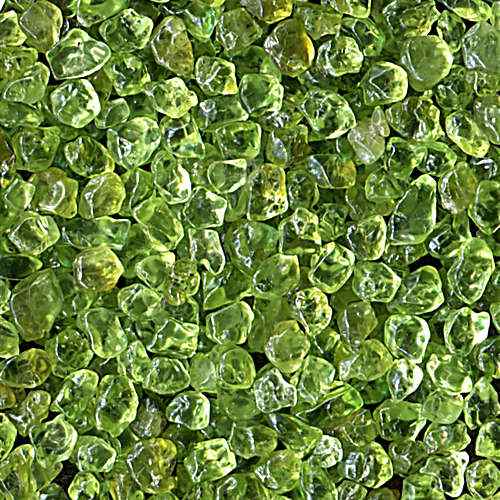
- The Peridot And Pearl Fusion Necklace appeals to someone who wants a distinctive look, pairing pearl with gemstone color rather than relying on pearl grade alone to carry the design.
Customers consistently point to craftsmanship and personal fit in their reviews, and every piece can be customized to your preferences.
Freshwater or Saltwater: Which One Actually Fits Your Goal?
Freshwater pearls win on affordability, durability, and creative range. Their thick, solid nacre holds up beautifully to daily wear, and baroque shapes offer character no Akoya strand can match. If you’re buying to wear and enjoy, freshwater is the smarter dollar. If resale value is your primary goal, saltwater pearls are the safer bet. Our saltwater versus freshwater comparison breaks down the full picture.
— Veronique
Find Your Match in the HerMJ Pearl Collection
HerMJ’s edge is simple: handmade craftsmanship at prices that don’t carry the traditional jewelry store markup, with customization built into every order. Our catalog is organized so you can compare luster, size, and matching quality directly on each product page before you buy.

The Elegant Freshwater Pearl Necklace is a strong pick if you want classic matched luster without paying top-grade prices. The Lustrous Freshwater Pearl Bracelet for Elegance works well as an everyday layering piece or an easy gift, and it pairs naturally with pieces from our bracelet collection.
If you want something with more visual personality, the Peridot And Pearl Fusion Necklace combines gemstone color with pearl luster in a way that stands out from a standard strand. Browsing for something else entirely?
Our Modern Drop Earrings and European Crystal Jewelry collections apply the same craftsmanship standards, and our Room Jewelry pieces bring gemstone beauty into your home decor too.
US orders ship free with no minimum, and international orders ship free at $150 and up. Browse the full pearl and gemstone jewelry collection to find the piece that matches your budget tier.
Where to Verify Freshwater Pearl Grading and Pricing
For readers who want to go straight to the source, GIA’s pearl quality factor page and GIA’s pearl description guide lay out the grading framework professionals actually use.
Pearl Science Laboratory offers a comparable certification path for buyers weighing a purchase above $1,000. The freshwater pearl price guide referenced throughout this article offers a useful cross-check against current market bands.
Sources
- GIA — Pearl quality factors
- Freshwater Pearl Price Guide: Real Costs by Grade (2026)
- How Much Are My Pearls Worth? A Realistic Value Guide
FAQ
Is a Freshwater Pearl a Real Pearl?
Yes. A freshwater pearl is a genuine cultured pearl, grown inside a freshwater mussel rather than a saltwater oyster. It’s real nacre, formed through the same biological process as Akoya or South Sea pearls, just from a different mollusk and typically with a much thicker nacre layer.
Do Jewelers Buy Pearls for Cash?
Many estate jewelers and pearl specialty buyers do purchase pearl jewelry for cash, though offers usually reflect resale value rather than retail price. Expect roughly 20% to 30% of what the piece originally retailed for, unless the piece is exceptionally high grade or carries a recognized brand name.
Are My Old Family Pearls Worth Anything?
Often yes, especially if they’re genuine cultured or natural pearls with good luster and minimal surface damage, but their dollar value depends heavily on size, matching, and condition rather than age alone. A written appraisal from a gemologist is the only reliable way to know what a specific strand is actually worth today.
What Is the Rarest Color of Freshwater Pearls?
Natural lavender and deep metallic pearls with strong, undyed overtones rank among the rarest and most valued freshwater colors, since achieving that depth of color naturally, without treatment, is uncommon. Dyed black or rainbow pearls are far more common in the market but typically carry lower long-term value than natural coloring.
Recommended
- Freshwater Pearl Prices: Your U.S. Buyer’s Guide
- Why Pearl Jewelry Is Undervalued: What Buyers Miss
- Pearl Necklace Cost: What Your Budget Actually Buys
- The difference between freshwater and saltwater pearls