


6 Quick Tests Buyers Can Do to Tell Real Pearls VS Shell Pearls
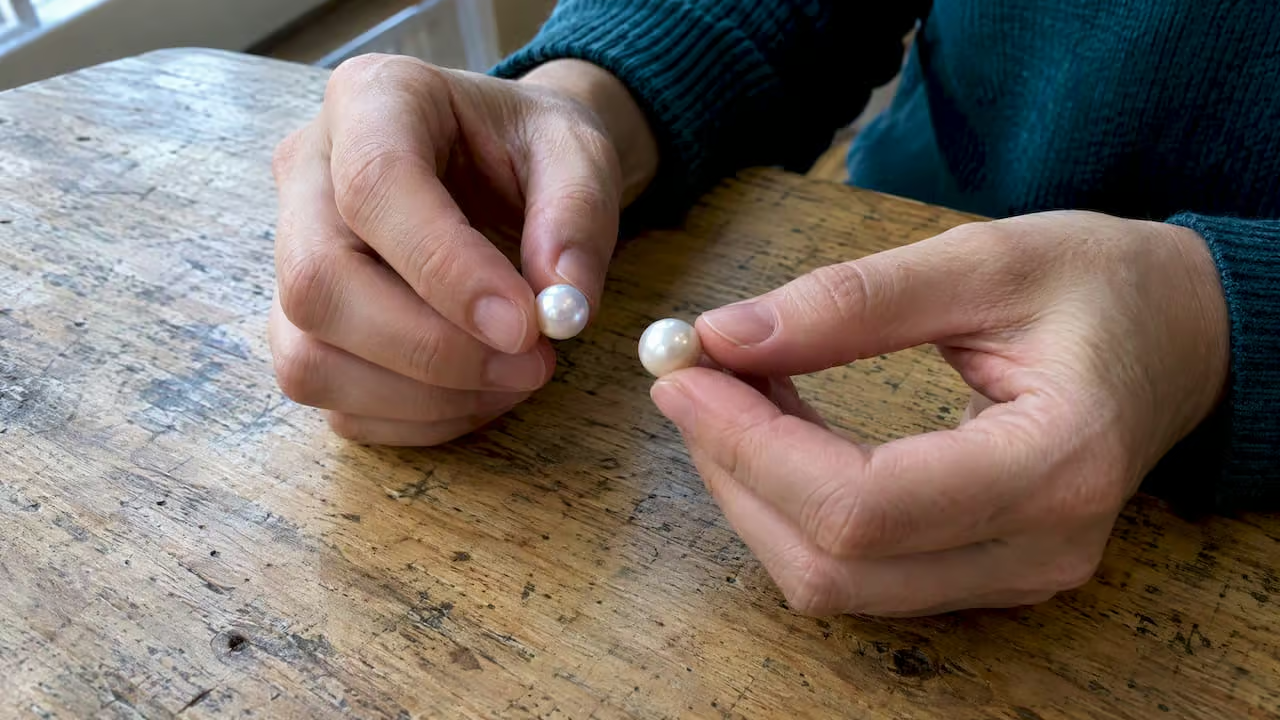
Real pearls are nacre formed by mollusks, natural or cultured, while shell pearls are manufactured imitations made from shell beads and coatings.
If you’re trying to settle the question right now, run two quick checks (the tooth test and a loupe look at the drill hole) before you consider paying for a lab report on anything valuable.
The Edit
- Rub a pearl gently against your front teeth, then inspect its drill hole at 10x magnification; in all but the most carefully fabricated imatations, the gritty texture and layered nacre will suggest its authenticity.
- The FTC requires sellers to use cultured or imitation before pearl; an unqualified label should refer only to natural, untreated pearls.
- Reserve gem lab testing for heirlooms, valuable strands, or pieces you plan to insure; X ray imaging can distinguish natural growth from implanted bead structures.
- Choose high-quality cultured freshwater pearls for everyday wear, keep them away from chlorine and perfume, and wipe them with a soft, damp cloth afterward.
At-a-Glance Checklist: 6 Quick Tests You Can Do Now
We’ve handled enough genuine and imitation pearls to know that most buyers can get a confident read in under a minute.
None of these tests is perfect on its own, but together they’re surprisingly reliable.
- Luster and orient: Real pearls show depth and a soft glow that seems to come from inside; shell pearls tend to look flat or glassy.
- Tooth or grit test: Gently rub the pearl against your front teeth. Real nacre feels slightly gritty, while inexpensively fabricated glass or plastic imitations glide smoothly.
- Weight and temperature: Genuine pearls initially feel cool at first touch and have a bit more heft than lightweight shell beads.
- Drill-hole check: A quick look at the hole often reveals layered nacre in real pearls versus a painted or coated edge in imitations.
- Uniformity: Pearls that look identical in every way (size, shape, and color) usually point to manufactured beads rather than organic growth.
- Knots and stringing: Fine cultured pearl strands are typically hand-knotted or separated between each pearl, a detail imitation strands sometimes skip.
If your results are mixed, move to a loupe inspection. If the piece carries real financial stakes, a gem lab is the only way to know for certain.
Visual and Tactile Differences Explained
The checklist works because real nacre and manufactured coatings behave differently at every level, from how they reflect light to how they feel against your skin.
Nacreous luster comes from thin, overlapping layers of aragonite crystals that bend and scatter light, creating that soft inner glow jewelers call orient.
It’s one of the qualities that makes pearls feel almost alive under the right light.
On the other hand, shell pearls get their shine from a coating applied over a carved shell or glass bead.
That coating can look shiny or even pretty at a glance, but it sits on the surface rather than within it, so the light bounces off in a flatter, more uniform way.
Weight tells a similar story. Natural and cultured pearls carry a bit more density than their shell-based counterparts, and they warm slowly in your hand rather than instantly matching your skin temperature.
For authentic pearls, the grit test picks up texture at the microscopic level: organically stacked aragonite platelets create tiny ridges you can feel against your teeth, something a smooth polymer coating can’t replicate.
- Genuine pearls show slight natural variation from one to the next, since no two grow exactly alike.
- Shell pearls are often remarkably uniform because they’re manufactured from a template.
- Real nacre deepens in color and luster with wear and gentle polishing over the years.
- Imitation coatings tend to wear thin or dull rather than improve with age.
The FTC requires sellers to use qualifying language, such as “cultured” or “imitation,” before the word “pearl,” and the word “pearl” alone should refer only to pearls from mollusks that have no human seeding help before they’re removed from their shells.
That labeling rule matters because it gives you a legal standard to check any listing against, not just a visual impression. For a closer look at how different pearl types compare side by side, our guide to pearl types walks through freshwater, saltwater, and imitation varieties of detail.
Drill-Hole Inspection and Magnification: What to Look for With a Loupe
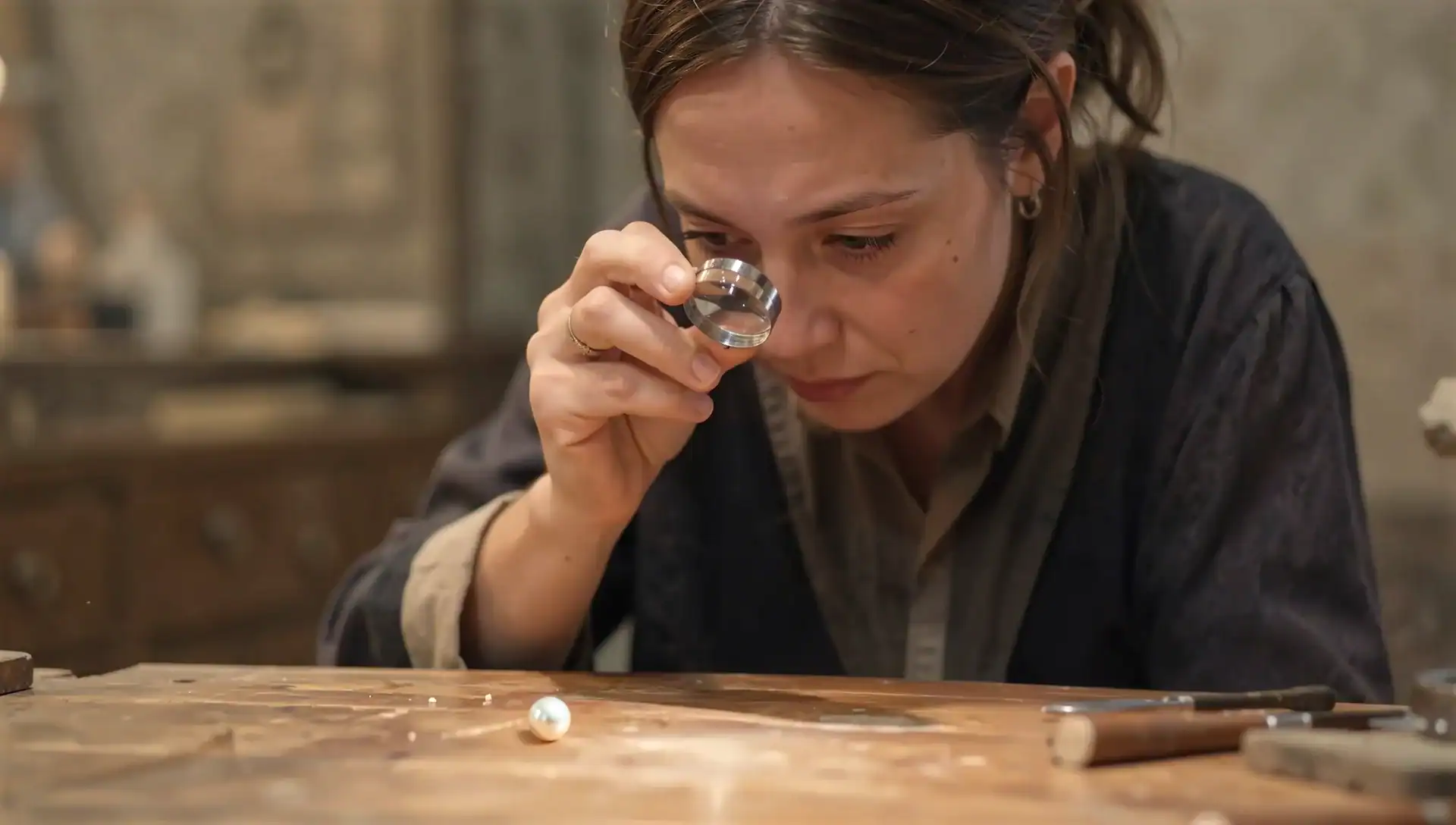
A jeweler’s loupe turns a guess into near-certainty for most pieces, and you don’t need expensive equipment to use one well.
Start at the drill hole, since it’s the one place where the inside of the pearl is exposed. Real nacre shows clean, layered edges where you can almost see the growth rings meeting the hole.
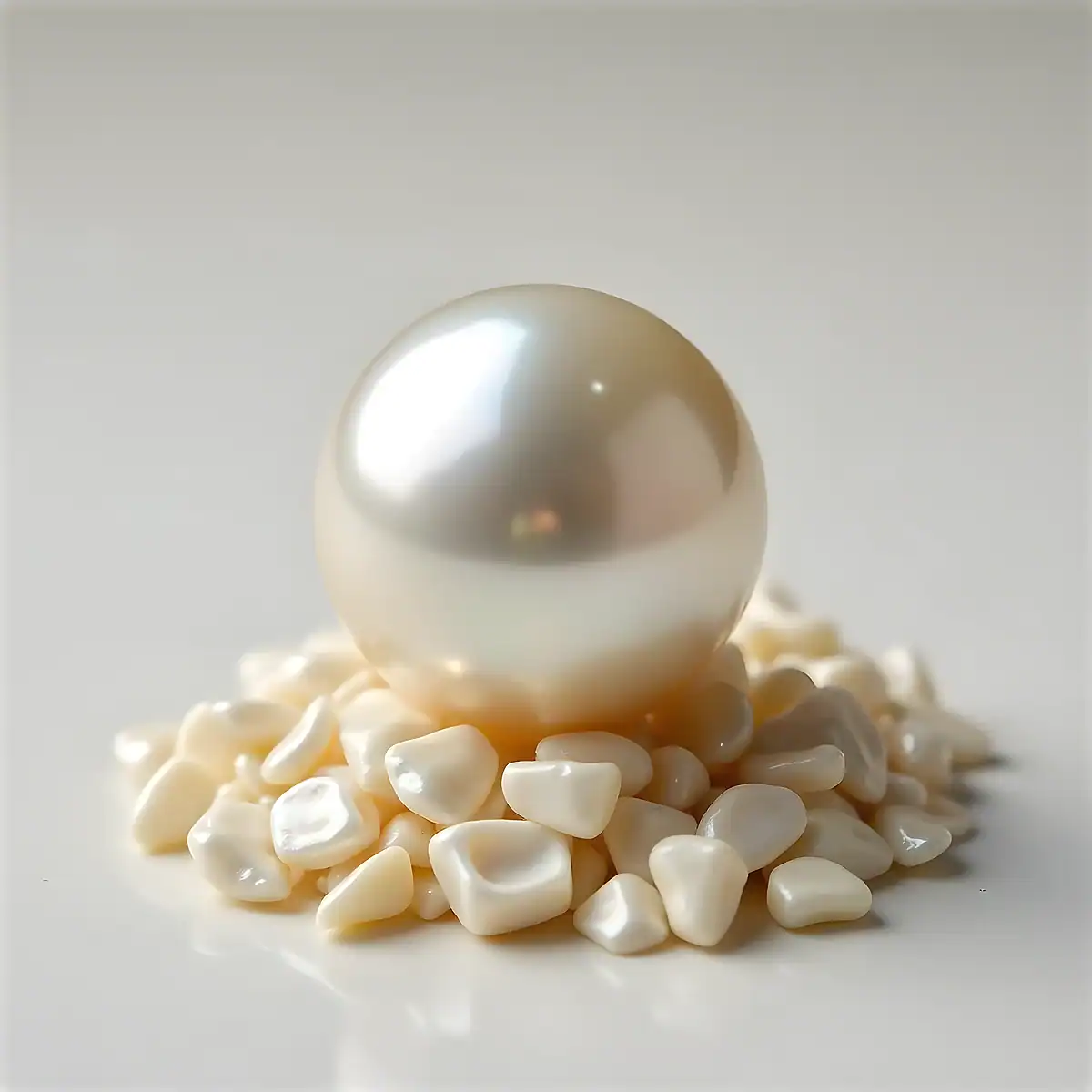
Shell-pearl coatings, on the other hand, often chip or peel right at that edge, sometimes revealing a chalky white shell bead underneath. Gemological lab notes document this exact failure pattern in shell-pearl samples examined under magnification.
- Use at least 10x magnification and natural or daylight-balanced lighting for the clearest view.
- Angle the pearl slightly so light grazes the surface rather than bouncing straight back.
- Check several beads on the same strand, since a manufactured batch often repeats the exact same tiny defect.
- Photograph anything suspicious so you can compare it against reference images later.
Repeating flaws are a strong tell. If five beads on a strand all have an identical scratch pattern or the same small air bubble under the coating, you’re likely looking at a mass-produced shell pearl rather than pearls that grew independently.
Also watch for assembled pieces like mabe pearls or filled blisters, which combine a thin layer of real nacre over a filler material. These aren’t frauds when disclosed properly, but they need different care and have a different value than a solid cultured pearl.
Pro Tip: Keep a cheap 10x loupe in your jewelry box. It pays for itself the first time you catch a coating flaw before a purchase.
When and How Gem Labs Test Pearls
Home checks and a loupe cover most everyday situations, but inherited pieces, high-value strands, or anything you plan to insure deserve a proper lab opinion.
Gem labs start with X-radiography, which passes X-rays through the pearl to reveal internal structure. Natural pearls show irregular growth patterns, while beaded cultured pearls reveal a distinct implanted bead at the center.
Labs increasingly rely on real-time X-ray microradiography (RTX), paired with X-ray computed microtomography (μ-CT), to see fine details like onion-ring growth structures, internal cavities, and the precise shape of an implanted bead.
Flat panel detectors produce sharper, less noisy images than older image-intensifier units, which makes subtle structures easier to interpret.
| Method | What it reveals | Best used for |
|---|---|---|
| Standard X-radiography | Implanted beads, basic internal structure | Initial screening of strands |
| RTX microradiography | Onion-ring growth, fine internal detail | Separating natural from beaded cultured |
| μ-CT | 3D internal mapping, cavities, bead shape | Complex or borderline cases |
A lab report will state the pearl type (natural, cultured, or imitation) along with any treatments detected. Costs and turnaround vary by lab and sample size, so ask upfront and choose a lab with recognized gemological credentials rather than a generic testing service.
For heirloom pieces or anything with real resale potential, that report is worth far more than the fee.
Composition and Manufacturing: What Shell Pearls Are Made Of
Shell pearls start as a bead carved from mollusk shell material, usually aragonite-rich shell, then coated with layers meant to mimic nacre’s glow.
In contrast, cultured pearls form when a mollusk deposits genuine nacre around either an implanted bead nucleus or, in some non-beaded varieties, around a small tissue graft with no bead at all. Natural pearls form the same way without any human intervention.
That manufacturing difference shows up in failure points. Coatings on shell pearls can crack, flake, or discolor over time, and lab analysis sometimes turns up unusual elemental traces, such as bismuth compounds, in the coating itself, markers that never appear in genuine nacre.
My own breakdown of what shell pearl jewelry is actually made from goes deeper into the materials and production process if you want the full picture.
- Shell pearls are legitimately marketed as decorative imitation jewelry when labeled correctly.
- The CIBJO Pearl Blue Book classifies natural, cultured, composite, and imitation pearls separately and says the unqualified term “pearl” should apply only to natural pearls.
- A listing that calls a shell bead simply “pearl” without a qualifier falls short of that standard.
- Disclosure protects you as a buyer and sets honest resale expectations from the start.
Care, Wearing, and Value: Water, Chemicals, and What Pearls Are Worth
Pearls are organic, and that softness is exactly why water, chemicals, and rough handling matter so much. Chlorine and perfume can dull or etch real nacre over time, while the same exposure can soften or lift the coating on a shell pearl in a different, often more visible way.
- Wipe nacreous pearls with a soft, damp cloth after wearing and let them air dry before storing.
- Put pearls on last, after perfume and hairspray, and take them off first when you’re washing up or swimming.
- Clean shell-imitation pieces only with a dry or barely damp cloth, since moisture can seep under the coating.
- Store pearls separately from harder gemstones that could scratch the surface.
Cultured and natural pearls generally hold meaningfully more resale and collectible value than shell pearls, which are mostly decorative unless a piece has genuine vintage or designer provenance.
If you suspect a family piece might be more valuable than it looks, an appraisal from a certified gemologist is a small price for real certainty.
My piece on the value factors that separate cultured and natural pearls is a useful next read if resale value is on your mind.
How We Think About Genuine Pearls at HerMJ
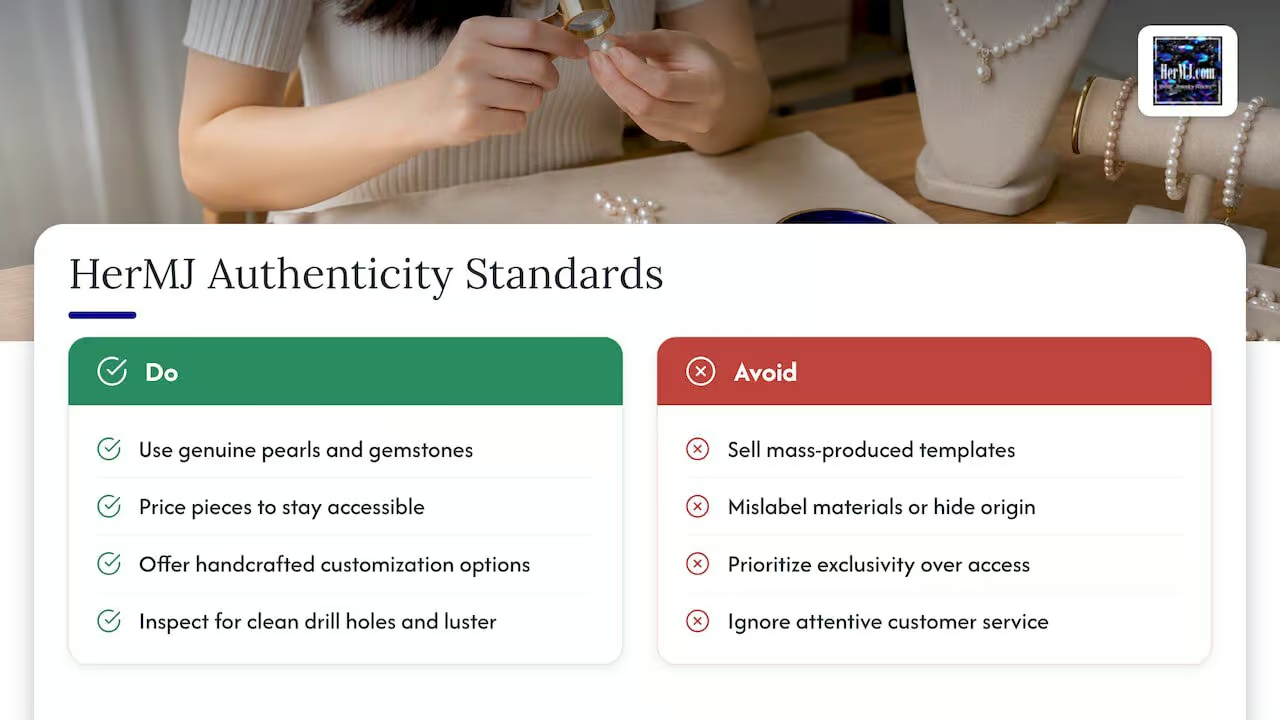
I built our collections on a foundation of genuine pearls and gemstones because I believe handmade jewelry should be honest about what it’s made of and remain accessible.
HerMJ pieces blend real materials with a focus on individual style, and we price our work to make that craftsmanship accessible..
We respect people who want a pearl piece that fits their taste rather than a mass-produced template, and we try to close that gap with handcrafted work and attentive service.
The identification principles you’re reading about, including clean drill holes, natural luster variation, and honest labeling, are the same standards we apply to pieces before they ever reach your jewelry box.
What I’ve Learned From Years With Pearls
For everyday wear, I recommend labeled cultured freshwater pearls over anything unmarked.
They hold up to daily life and age beautifully with simple care, while shell pearls are better suited to occasional, decorative wear. I save lab testing for pieces with real sentimental or financial weight, like an heirloom strand.
Trust handcrafted pearls from makers who clearly document their materials, because that transparency tells you how a piece was made and how to care for it.
When in doubt, qualifying language on the label, “cultured” or “natural”, and a quick chat with a professional will steer you right.
— Veronique
Find Genuine Pearl Pieces You Can Trust
If you’d rather skip the loupe and start with something already verified, our pearl collections feature genuine freshwater pearls and clear labeling on every product page, along with care notes so you know exactly how to keep them looking their best.
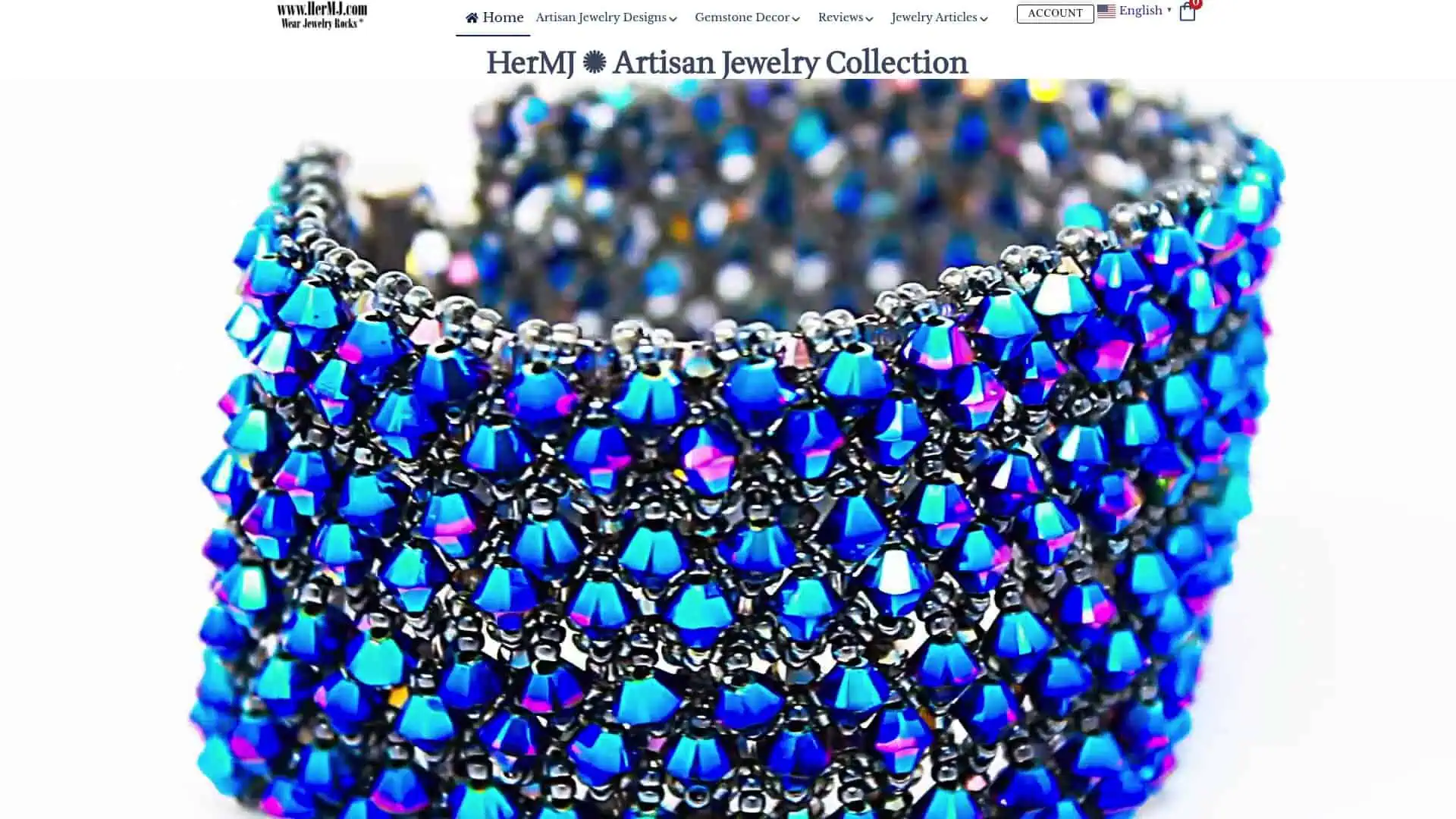
- The Elegant Freshwater Pearl Necklace pairs classic luster with a design you can wear daily or dress up for an occasion.
- The Modern Drop Pearl Earrings bring genuine pearl luster to a contemporary silhouette.
- The Lustrous Freshwater Pearl Bracelet for Elegance is a soft, everyday way to wear real nacre on your wrist.
US orders ship free with no minimum, and international orders ship free on orders of $150 or more.
Browse our full pearl and gemstone jewelry collection to find a piece that fits your style, or head straight to our necklaces and bracelets categories to start shopping.
FAQ
Are shell pearls worth anything?
Shell pearls hold mostly decorative value rather than investment or resale value, since they’re manufactured imitations rather than organic gems. A shell-pearl piece can still be worth keeping for its design or sentimental value, but it won’t appraise like a natural or cultured pearl.
Why can’t you wear pearls in water?
Chlorine, saltwater, and even prolonged exposure to tap water can dull nacre’s luster and weaken the organic structure over time. It’s best to put pearls on after swimming or bathing, not during, and to dry them gently afterward.
How can you tell if a pearl is a real pearl?
Start with the tooth test for a slightly gritty texture and a loupe check of the drill hole for layered nacre edges, both signs of a genuine pearl. For valuable or uncertain pieces, X-ray microradiography or μ-CT at a gem lab gives a definitive answer.
Which type of pearl is best?
The “best” pearl depends on your priorities: natural pearls are the rarest and often the most expensive.
Cultured pearls offer genuine nacre at a more accessible price.
And shell pearls work well for affordable, decorative pieces.
For everyday wear that lasts, labeled cultured freshwater pearls are usually the most practical choice.
Sources
- Buying Gemstones, Diamonds, and Pearls | Consumer Advice
- Shell pearl as a pearl imitation | GIA Lab Notes
- CIBJO Pearl Blue Book 2026
Recommended
- Real vs Fake Pearls: 6 Quick At Home Tests Buyers Use
- Pearl Grading: What Every Buyer Needs to Know
- 7 GIA Value Factors That Matter in Cultured vs Natural Pearls