


Pearl Trends: 4 Signature Styles to Wear, Buy, and Restring

Yes, pearls are a defining fashion trend, and the shift is unmistakable: designers like me have pulled pearls out of the velvet box and put them into daily rotation.
Today they’re on the top of the list. Pair them with chains of mixed lengths, and reach for baroque, sculptural shapes.
If you own heirloom pearls or want your first piece, this is the year to wear them looser, layered, and, yes, a little rebellious.
The Edit
- Pearl jewelry demand is rising steadily, with the market projected to reach $23 billion by 2031, especially in earrings and layered styles.
- Trendy pearl styles include layered multi-strand necklaces, sculptural baroque pieces, and edgy punk motifs paired with hardware or dark metals.
- Style tips emphasize mixing scales and textures, with casual looks favoring minimal studs and evening attire relying on statement sculptural pearls.
- Buying freshwater pearls offers affordability and versatility, while natural or high-luster Akoya pearls are suited for classic, polished looks.
- Sustainable sourcing and transparency are increasingly important, with small-batch artisans offering eco-friendly options in a wide range of natural colors.
Why Pearls Are Now Everywhere
Pearls didn’t just survive the minimalist jewelry era. They came back louder, and the fashion press has been tracking it closely.
British Vogue’s coverage of the season shows designers reworking pearls across both high jewelry and casual ready-to-wear, proof that this isn’t a one-note red carpet moment but a genuine shift toward wearability.
Elle has documented the same energy from the opposite direction, chronicling how punk pearls have become one of the edgiest jewelry stories of the year, pairing soft nacre with hardware that used to belong strictly to rock clubs.
The market backs up what the runways are showing. A few forces are converging at once:
- The global pearl jewelry market is projected to grow from $15.6 billion in 2026 toward $23 billion by 2031, a clear sign of sustained demand rather than a passing fad.
- Necklaces remain the largest product category, but earrings are the fastest-growing segment, which matches the growing number of people adopting small pearl studs as their new everyday habit.
- Industry reporting points to premiumization and a real appetite for sustainable, traceable sourcing, with online retail and social commerce doing much of the work of introducing pearls to younger shoppers.
Pro Tip: If you’re on the fence about buying now versus waiting, don’t. Growth like this usually means prices and demand both climb together, especially for well-made freshwater pieces.
Put those threads together, and you get a trend with real staying power. Runway validation, market growth, and a genuine sustainability conversation are a different animal from a single viral moment. It’s why I’d tell you to treat today’s pearls as an investment in your wardrobe. They’re definitely not an impulse buy.
The Four Signature Pearl Styles To Know Going Forward
Every pearl piece you see this year tends to fall into one of four families. Knowing which one matches your closet makes shopping a whole lot easier.
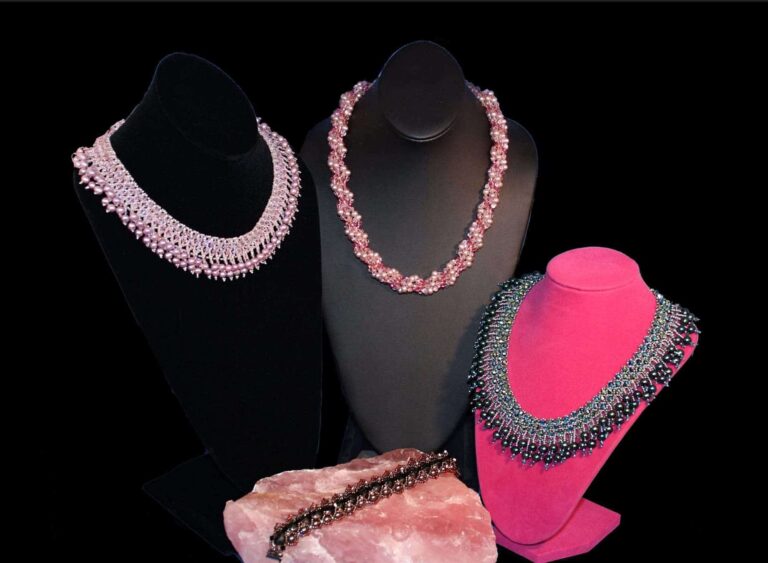
- Layered strands. Instead of one polished necklace, stylists are combining two or three strands of different lengths and weights, sometimes mixing pearl sizes on the same neckline. The effect reads as collected-over-time rather than matched-set formal.
- Punk and industrial. This is the loudest story of the year, and Elle’s reporting on the trend nails why it works: contrast. Pearls sitting next to chunky chains, safety pin motifs, or blackened metal hardware feel unexpected in a way a plain strand never could.
- Baroque and sculptural. Irregular, oversized, asymmetrical pearls are having a real moment as statement pieces. These aren’t polished and round. They’re organic, almost sculptural, and they carry a whole look on their own.
- Minimal daywear. Single pearl studs, one small pendant on a thin chain, a petite drop earring. This is the family most people will actually wear five days a week, and it’s the easiest entry point if you’re new to pearls.

Pro Tip: Buy into the minimal family first if you’re building a pearl wardrobe from scratch. It’s the most versatile category, and you can layer punk or baroque pieces on top of it later without ever feeling overdressed.
The overlap between these categories matters, too. A baroque pearl pendant on a chunky chain is technically both sculptural and punk. That’s the point. Nothing here is a strict rulebook.
How To Actually Wear Each Pearl Look
Today, styling pearls comes down to three things: scale, metal, and texture. Get those right and almost any combination works.
- Scale: Pair small pearls with delicate chains and large, baroque pearls with substantial hardware. Mixing scales unevenly, like a tiny pearl stud with an oversized chunky chain necklace, tends to look accidental instead of deliberate.
- Metal coordination: You don’t need to match metals exactly, just pick a dominant tone for the day. Gold-toned pearls read warmer and more classic; silver or gunmetal settings push the punk angle harder.
- Texture contrast: This is the trick the Vogue feature on 2026 pearl styling keeps circling back to. Leather jackets with layered pearls, worn-in denim with a baroque pendant, a plain white tee with a single lustrous strand. Softness against something rougher is what makes pearls feel current instead of costume-y.
For context, casual daytime looks lean on the minimal family: a single strand or small studs under a sweater.
Hybrid office days can handle one layered piece, maybe two strands of varying lengths, worn over a blouse.
Evening calls for the baroque or sculptural pieces to do the heavy lifting, since they don’t need much else around them.
If you’ve inherited pearls that feel dated, don’t retire them.
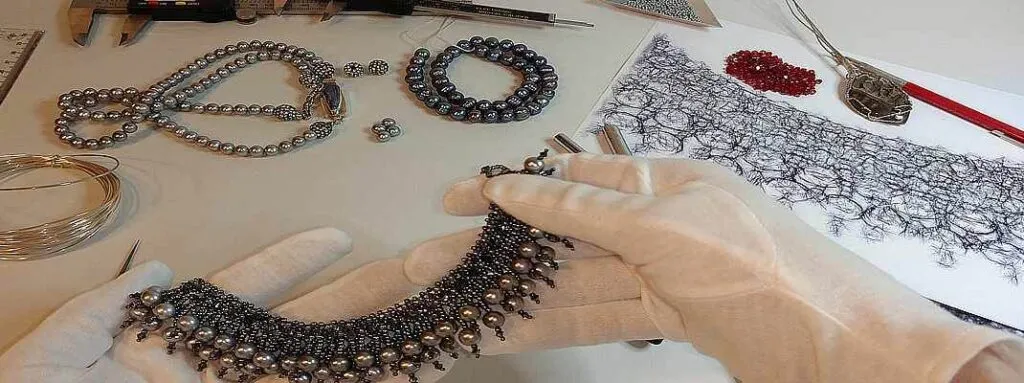
Restringing with hand-knotting between each pearl protects the strand and gives it modern movement instead of the stiff, uniform drape older pieces often have.
Adding a short paperclip or curb chain segment between sections of pearls is another easy update that strips away the formality without touching the pearls themselves. For more on translating heirloom pieces into fresh looks, our everyday styling guide walks through specific combinations.
Pro Tip: Keep one heirloom piece completely untouched. Restring a second strand for daily wear. That way you get the best of both without risking the original.
A Buyer’s Guide: Which Pearls Fit Your Style And Budget
Not all pearls are built the same, and knowing the differences saves you from overpaying or underbuying.
- Freshwater pearls are the most affordable and versatile option, available in a huge range of shapes, including baroque, and they dominate retail because they deliver style at accessible prices.
- Akoya pearls are known for their high luster and near-perfect roundness, usually commanding a higher price and suited to classic, polished pieces.
- South Sea pearls are larger and more luxurious, often the choice for sculptural or investment-level statement pieces.
- Tahitian pearls have a naturally dark, sometimes iridescent color, ideal for anyone wanting a pearl that reads as dramatic rather than traditional.
Cultured pearls, grown with human intervention on a farm, make up nearly all of what’s sold today. Natural pearls, formed without any assistance, are exceptionally rare and mostly matter to serious collectors rather than everyday shoppers.
For most people building a modern wardrobe, that distinction is less important than luster, shape consistency, and how the pearl’s surface catches light.
For necklaces, freshwater pearls in the 6 to 8-millimeter range give you a substantial look without tipping into costume territory, while 4 to 8-millimeter pearls work well for studs and drops.
Ask any seller about origin and nacre thickness, since a thin nacre coating is the biggest predictor of a pearl losing its luster early.
Our guide to cultured versus natural pearl value breaks down exactly what to ask before you buy, and our visual guide to pearl types is a useful reference if you’re still deciding which category suits you.

Veronique’s Tips For Making Pearls Your Own
I’ve restrung more heirloom strands than I can count, and the transformation almost always comes down to two choices: the cord and the metal.
Hand-knotting between pearls with a silk cord keeps movement natural and protects each bead from rubbing against its neighbor. Swap a traditional gold clasp for a mixed-metal toggle, and a formal strand suddenly reads current.
When you’re shopping handmade pearl pieces, check these details before you buy:
- A clasp substantial enough to match the necklace’s weight, not a flimsy afterthought
- Luster across every pearl in the strand, not just the front-facing ones
Our pearl earring styling guide covers sizing details if studs are your entry point.
Caring For Pearls So The Trend Lasts
Pearls are organic. Unlike a diamond or a piece of quartz, they’re susceptible to the everyday chemistry of your routine, and that’s the part most style guides skip. For more on maintaining your investment, see our care guide.
Sustainability And Ethical Sourcing In 2026
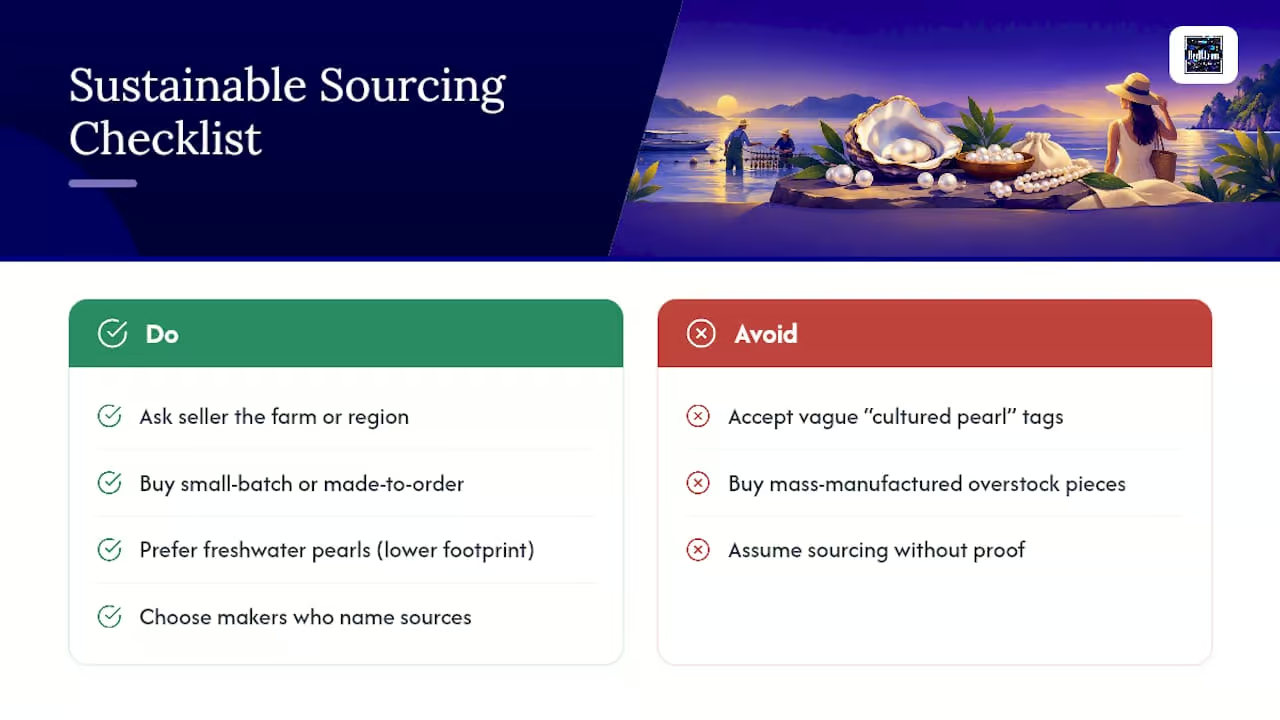
Sustainability has moved from a niche concern to a mainstream purchasing factor in pearl jewelry, and industry reporting on the category confirms this: buyers increasingly want to know where their pearls come from before committing to a purchase.
Freshwater pearl farming, which produces the vast majority of pearls sold today, generally has a smaller environmental footprint than gemstone mining or metal extraction.
That’s part of why freshwater pearls have become the backbone of the sustainable jewelry conversation. Traceability is the other half of the story. Shoppers want to know the farm or region a pearl came from, not just a vague “cultured pearl” label on a tag.
For small, handmade jewelry makers, this trend plays to a real strength.
Working directly with pearl suppliers and producing in small batches, rather than mass-manufacturing, naturally supports more transparency than a factory-scale supply chain allows.
It also means less waste, since pieces are made to order or in limited runs rather than overproduced and discounted later.
New Pearl Colors And Treatments Worth Knowing
The classic white and cream pearls still anchor most collections, but today’s pearls broaden the palette with natural color variation, rather than heavy dyeing.
That is the most significant feature driving the most interest right now.
Soft lavender and pale pink freshwater pearls, which occur naturally depending on the mollusk and its environment, have moved from niche to genuinely popular.
Peacock and bronze tones, common in Tahitian and certain freshwater varieties, are showing up more in both statement and everyday pieces because they photograph beautifully and pair easily with warmer metal tones.
Gray and metallic-toned pearls are also gaining ground, especially within the punk and industrial styling family, since their cooler cast plays well against blackened or oxidized hardware.
Treated pearls, meaning color-enhanced through dyeing or irradiation, remain common at lower price points, but ask sellers to disclose treatment status upfront.
A pearl’s natural color, even when it’s a subtle undertone rather than a dramatic hue, tends to hold its luster and depth longer than a heavily treated one.
That’s a detail worth asking about before you buy anything described as a “trending color” this year, since the treatment itself can affect how the piece wears over the next several years.
Designers And Brands Shaping The Pearl Moment
The current pearl moment isn’t coming from one single design house.
It’s a convergence, with high jewelry ateliers and accessible fashion brands pulling on the same thread from opposite directions.
Runway coverage this season shows pearls appearing in gallery-level, museum-worthy pieces right alongside casual, wearable collections, which is unusual.
Most jewelry trends start at one end of that spectrum and trickle down. Pearls are moving both ways at once.
That dual momentum is exactly why baroque freshwater pearls, once considered a lower-tier, irregular alternative to perfectly round Akoya pearls, are now showing up in both statement collections and mainstream product lines.
Designers have essentially rebranded organic, natural imperfection as the whole point of unique fashion.
Independent and artisan jewelry makers are playing an outsized role here too.
Because handmade pieces are produced in small runs, makers can respond to a trend like punk pearls or lavender freshwater tones within a season, something a large manufacturer with long production cycles simply can’t match.
If you want a piece that reflects exactly where the trend is right now rather than where it was two years ago, small-batch makers are often your fastest route there.
Get The Modern Pearl Look With HerMJ
This artisan brand offers handmade pieces featuring genuine freshwater pearls and natural gemstones, so you can shop among various style families without paying a traditional jewelry-house markup.
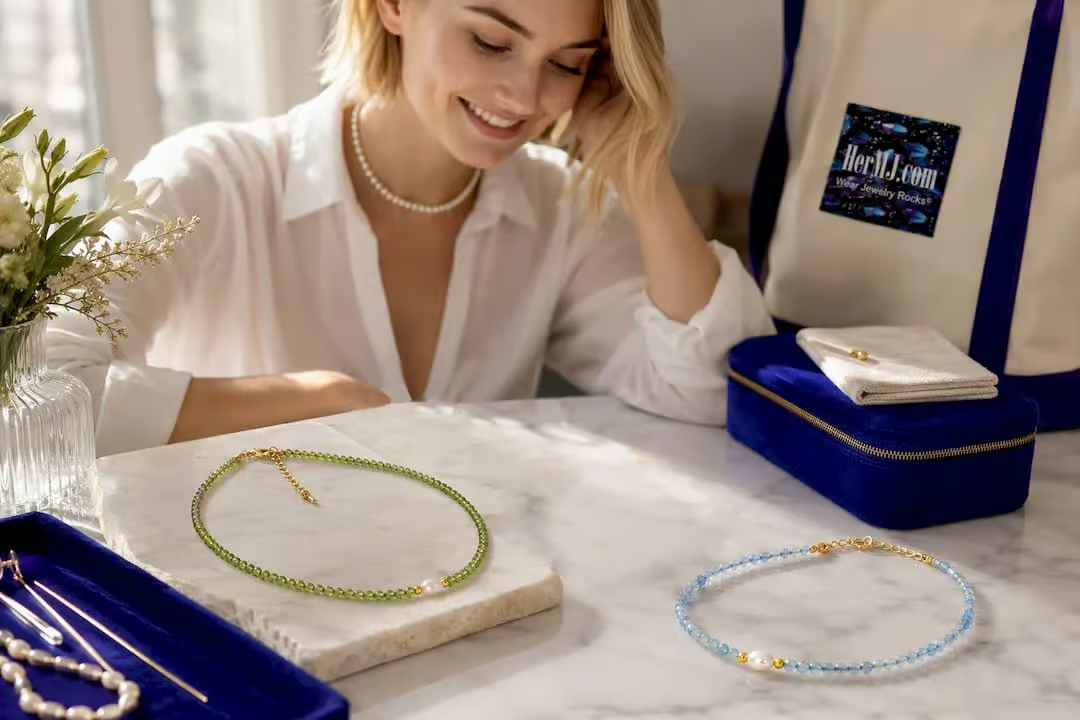
If you’re leaning sculptural or statement, the Peridot And Pearl Fusion Necklace pairs baroque-style pearl work with colored gemstone contrast, exactly the kind of piece that can carry an evening look on its own.
For daily wear, the Elegant Freshwater Pearl Necklace is built for the minimal daywear family: one lustrous strand, easy to wear under a sweater or a plain tee, no styling effort required.
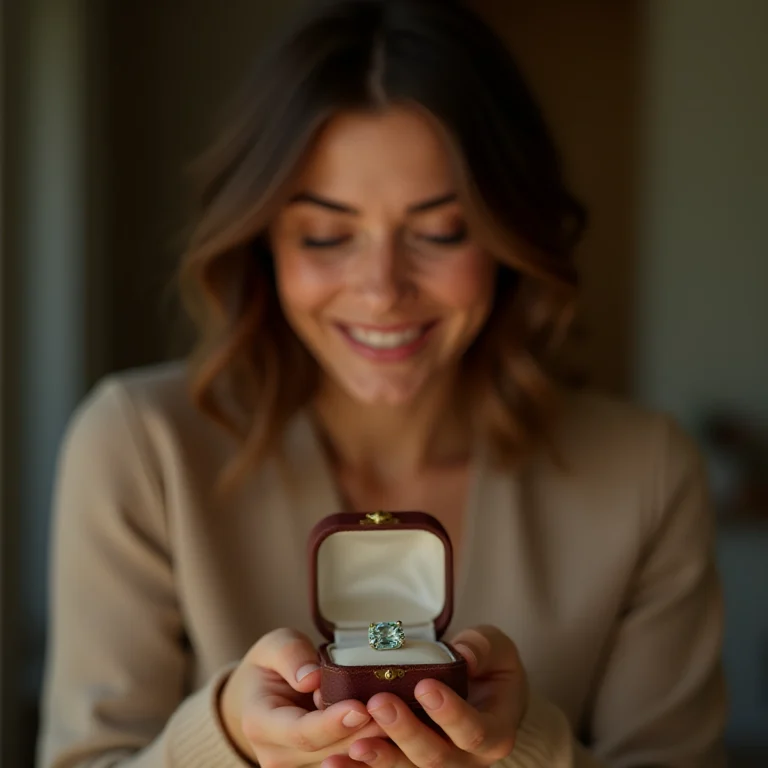
And if you want something between refined and sculptural, the Pearl And Aquamarine Necklace combines pearl with aquamarine for a statement piece that still reads polished rather than costume.
Browse the full necklace collection or check out drop earrings if studs are your entry point into pearls this year.
US orders ship free with no minimum, and international orders ship free on orders of $150 or more. Pick one piece, start there, and build your pearl wardrobe out from it.
How I’d Build A Signature Pearl Look
Start with one piece that already fits your daily wardrobe, not the trendiest item you saw on a runway.
Layer or restring an heirloom later, once you know how you actually wear pearls day-to-day. Customization should come second, not first.
— Veronique
Sources
- Pearl Jewelry – Market Share Analysis, Industry Trends & Statistics, Growth Forecasts (2026-2031)
- Princess Or Punk? How To Wear Pearls Now — British Vogue
- Punk pearls are the edgy jewelry trend taking over 2026 — Elle
- Pearl Jewelry Market Powered by Designer Collections – News Release
FAQ
Are Pearls Out Of Style Today?
No, pearls are one of the strongest trends in today’s jewelry, but their styling has changed dramatically. Instead of formal single strands, designers and shoppers are favoring layered necklaces, punk-inflected pairings, and baroque statement pieces, a shift documented in British Vogue’s coverage.
What Are The Hottest Jewelry Trends Going Forward?
Punk pearls, meaning pearls paired with chains and industrial hardware, rank among the biggest jewelry stories of the year according to Elle’s reporting. Layered pearl necklaces, baroque sculptural shapes, and minimal daywear studs round out the other major style families this year.
What Are The Current Trends In Pearl Jewelry?
Pearl jewelry splits into four main directions: layered strands, punk and industrial pairings, baroque sculptural statement pieces, and minimal everyday studs or pendants. Sustainability and traceable sourcing are also shaping buying decisions, as noted in industry reporting on the category.
Is Pearl Jewelry Outdated?
No. The global pearl jewelry market is projected to grow from $15.6 billion in 2026 to $23 billion by 2031, which points to sustained demand rather than a fading trend. Handmade pieces from makers like HerMJ’s freshwater pearl necklace show how classic pearls translate directly into everyday, modern wear.
Recommended
- Why Pearls Elevate Outfits: Style Guide for Today’s Best Look
- Pearl Earring Styles: When to Wear 4–12mm Studs, Drops, and Hoops
- 6 Step Pearl Necklace Styles Checklist for Smart Shoppers
- How To Wear Pearls From Classic To Ultra-Modern