



Gemstone Colors And Names — How Do Gemstones Get Their Color?
Have you ever wondered about the source of gemstone colors and names? We all have a favorite gemstone based on a color that holds special meaning for us (possibly a birthstone), but most of us never consider how that color came to be associated with the stones we love.
It turns out that nature is an amazing chemist, mixing minerals and using temperature and light to produce unbelievable beauty in stones all around the world. And many you’ll learn about right here.
Obtained via methods such as open-pit, underground, and alluvial mining, gemstones come to us from all around the world, from volcanoes, mines, and even rivers and streams, but the source of their captivating beauty goes much deeper.
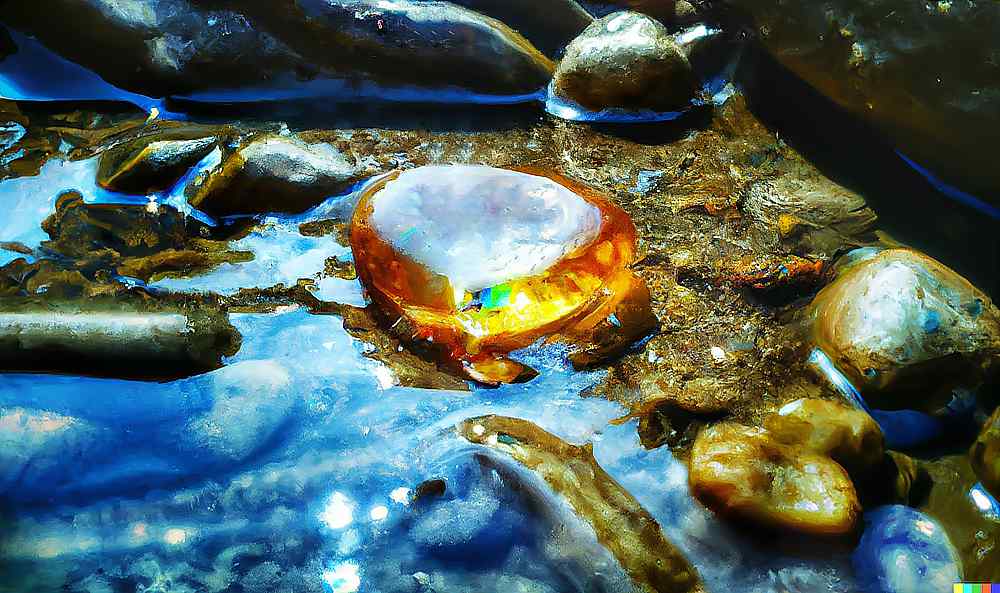
And although the most sought-after gemstones usually possess a good degree of transparency and vibrancy, rarity, and a well-proportioned cut, the quality of each gemstone is based on more than meets the eye.
Dive deep into the complex world of mineralogy and crystallography to discover their splendid secrets.
Gemstone Colors And Names: Transition Metals
The color of several gemstones originates from the inclusion of what’s known as a transition metal in the stone’s structure. This takes the form of an impurity in what we would see as an otherwise colorless crystal lattice. These inclusions play a significant role in the stone’s composition, influencing both its hardness and color.
Various transition metals react differently in visible light. The result is the stone’s distinctive color. The responsible transition metal within the gemstone is often a chemical portion containing mineral impurities.
A tiny amount of the transition metal is all that’s needed to influence the necessary change in the stone’s complex internal anatomy to result in what we perceive as the beautiful intensity of its different colors.
What Makes Gemstones’ Original Colors?


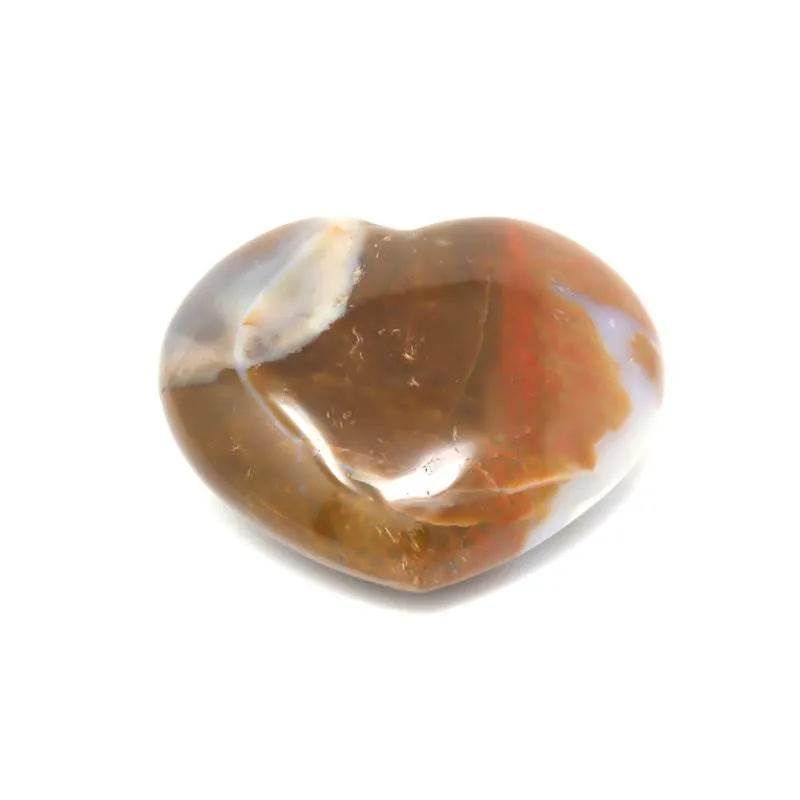


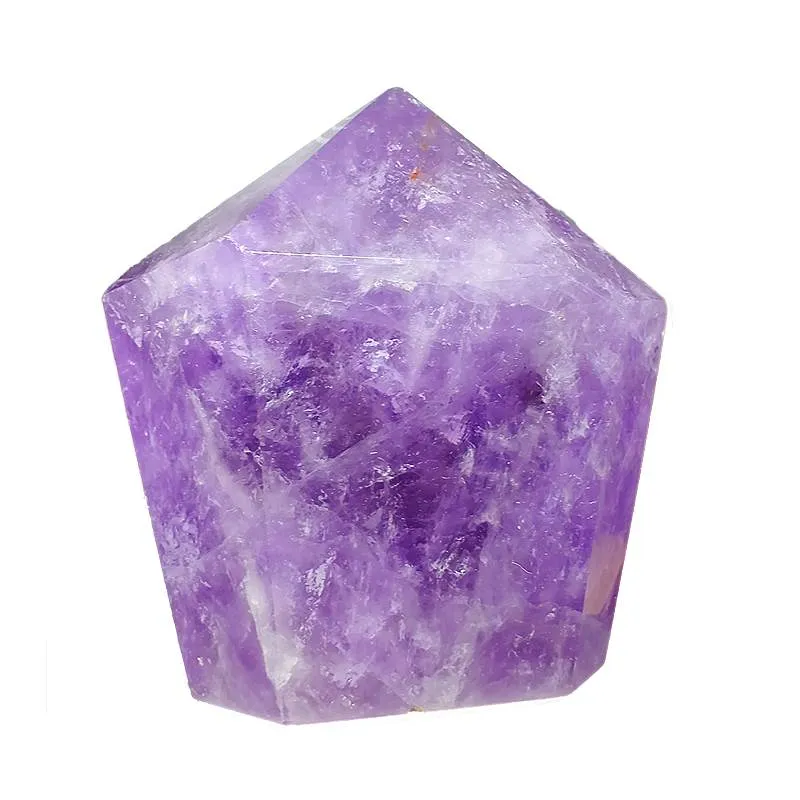
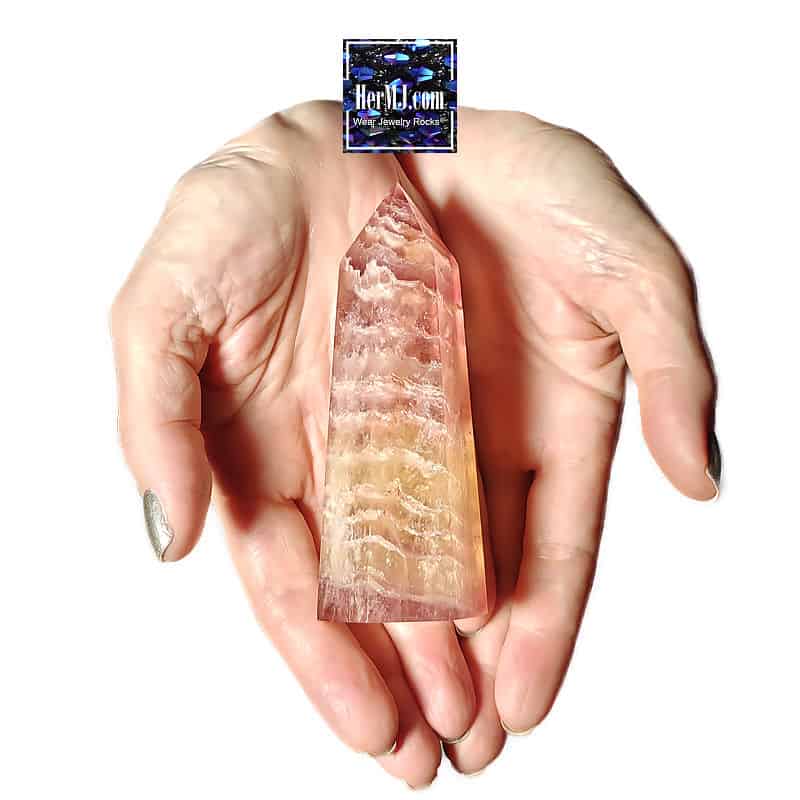
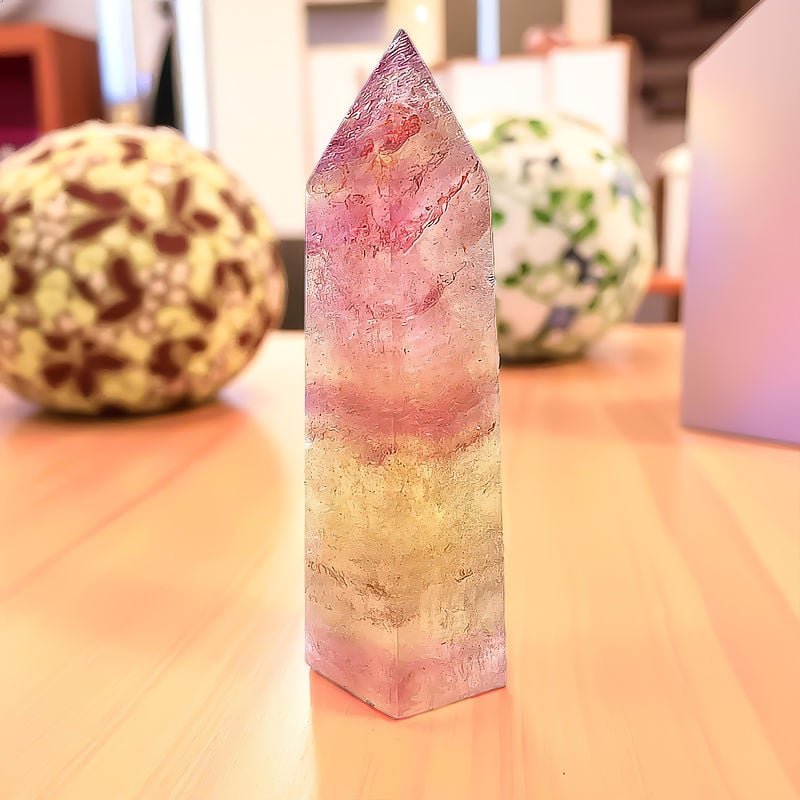
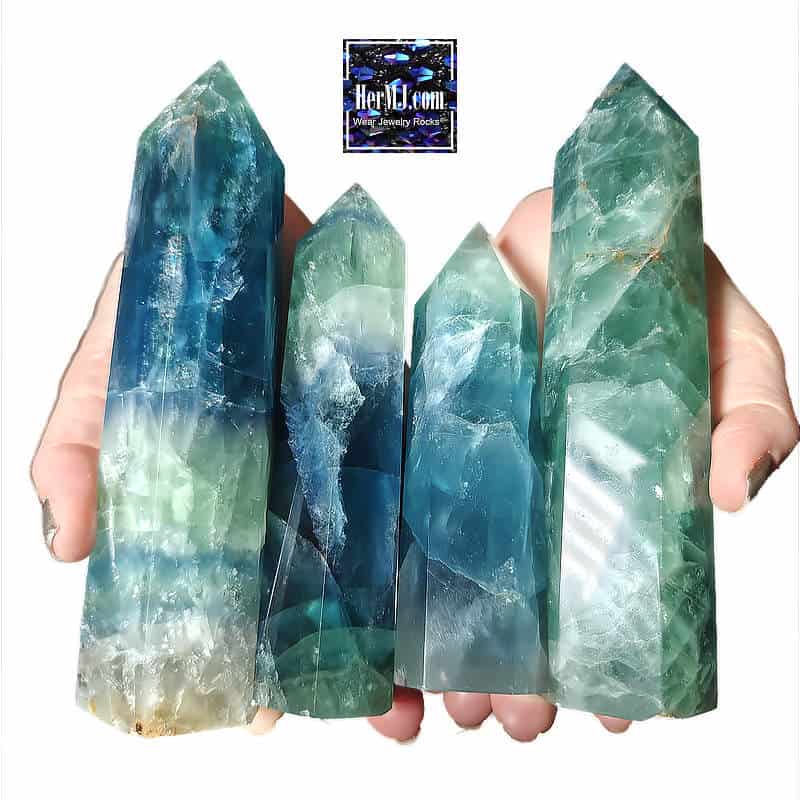
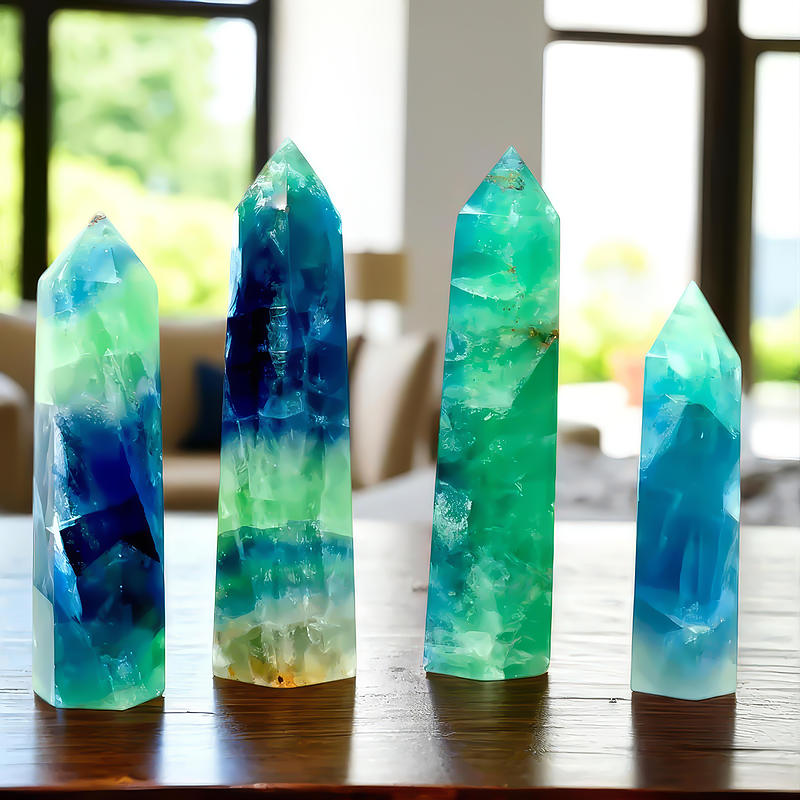
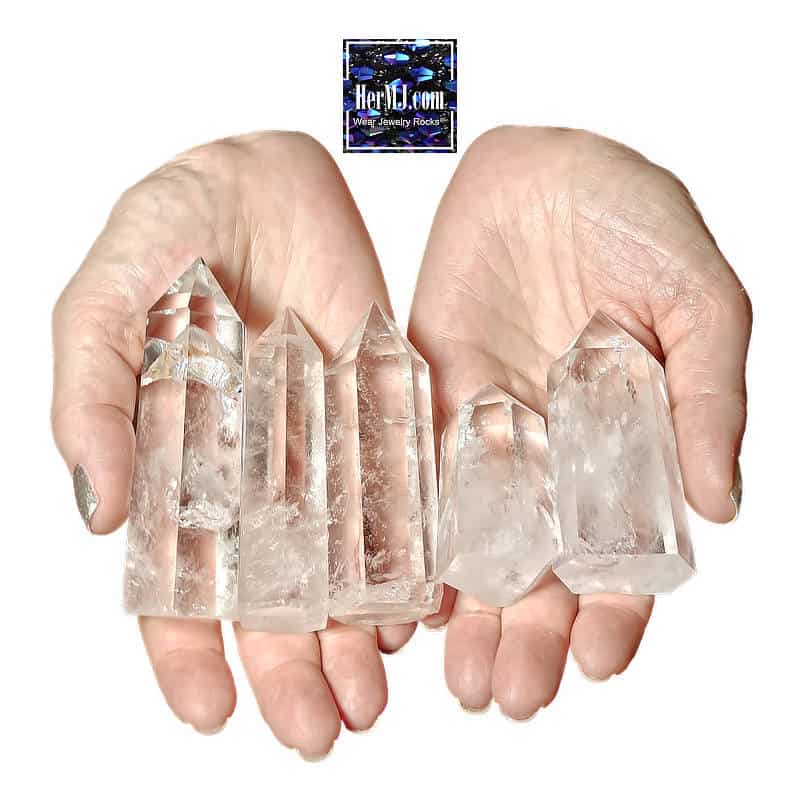
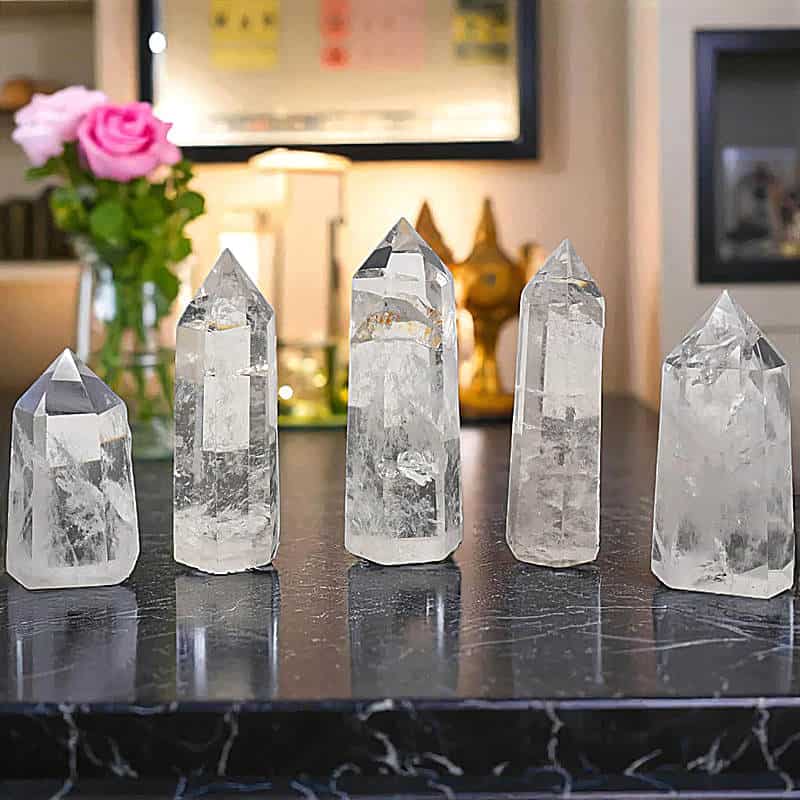
Mesmerizing natural stones with their spectacular variation in color and transparency become less of a mystery as we explore the basics of their mineral formation and what makes each gemstone’s distinctive characteristics.
Minerals, substances with a certain chemical structure, originate through processes like crystallization from molten magma, precipitation (rain from liquid), or the replacement of their original composition by other minerals or rocks.
In turn, the physical and chemical composition of the minerals, including their color and transparency, is determined by their specific chemical arrangement.
Different minerals absorb different wavelengths of visible light, which possess different ranges of colors — isn’t that fascinating? This leads to the mineral’s unique color, which we all find so attractive.
Gemstones often exhibit color variation due to impurities or trace elements within their crystalline structure. This is known as the allochromatic quality of the stone, which describes the influence of impurities within the stone.
Gemstones And Their Colors: The Value Of Impurities
Chromium and vanadium give emeralds their signature green hue; titanium and iron are responsible for the beautiful blue of the sapphire; chromium produces the compelling red flame in the ruby; and one of the most favorite gemstones, the coveted (and famously resilient) diamond, which can range from colorless to tinted, comes from impurities in its carbon framework.
The transparency of the crystal is determined by the arrangement of its tiny components, as observed using scientific methods and powerful lenses. These, too, are the product of impurities in the crystal’s composition.
If the atoms are arranged in a regular pattern, it is likely to be transparent. Alternatively, an irregular arrangement or impurities and defects may lead to opaqueness or cloudiness in the crystal’s structure.
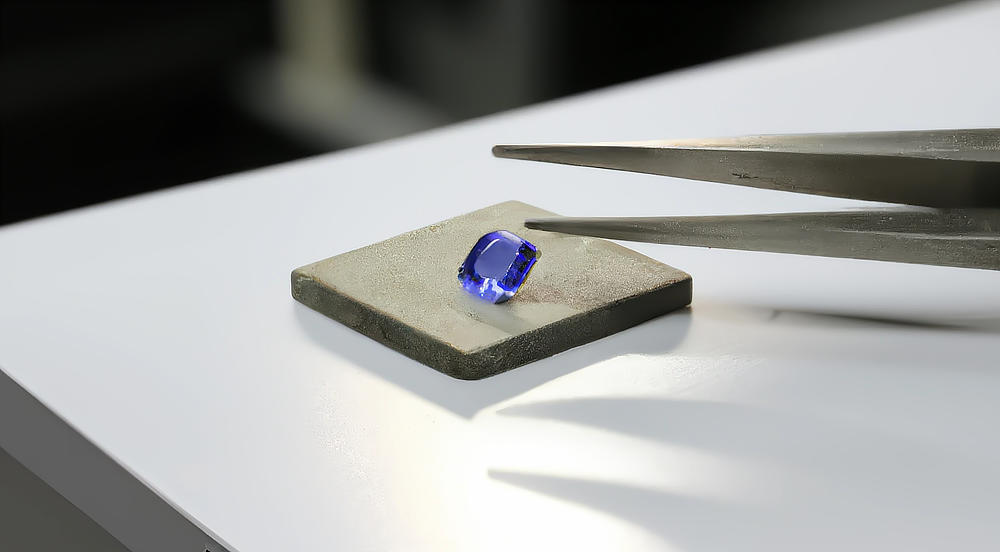
Heat can also play a role in a gemstone’s color. Heat-treated minerals can shift a stone’s color from one state to another. This is the case of a gemstone like zoisite, which Tiffany & Company named tanzanite.
Once heated, the mostly brownish stone undergoes a remarkably beautiful color change. Natural (metamorphic) heating, as well as deliberate, intentional heat treatment, can shift the stone’s color to the more alluring blue for which the stone is famous.
Another way to revise a gemstone’s color is to manipulate how the stone reflects light. Adding a mineral like iron can alter the color by influencing how the gemstone refracts natural light reflected from the stone itself.
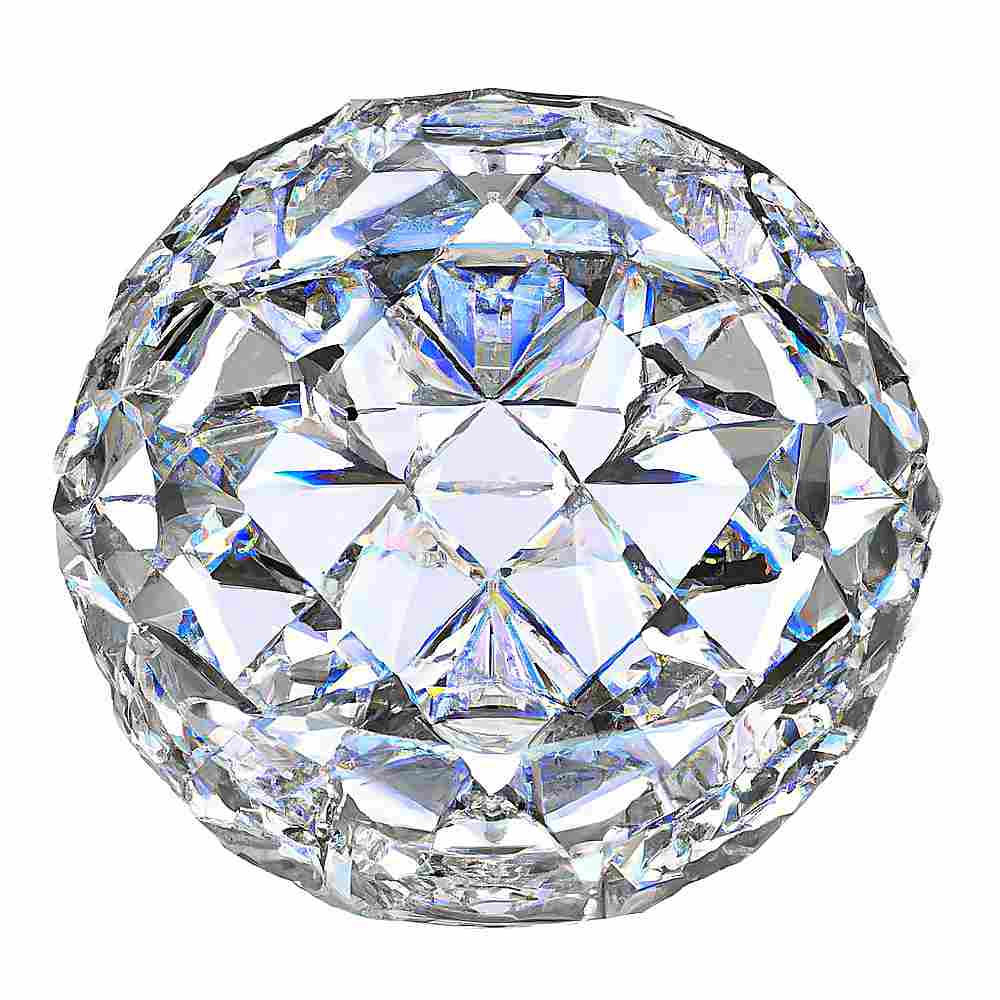
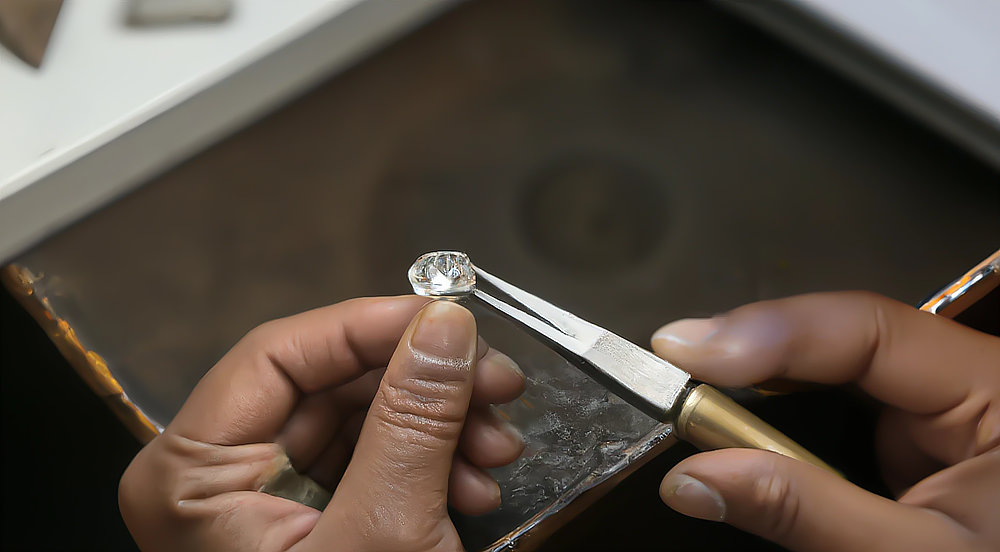
Our beloved diamonds are the clearest of all and rank among the most popular gemstones. They consist solely of pure carbon atoms arranged in a specific geometric pattern, allowing visible white light to pass through without scattering or being blocked.
This is the amazing nature of the diamond’s unique sparkle. Likewise, quartz, beryl, and topaz get their translucent beauty from the same phenomenon, although the density of the diamond reflects it in a league all of its own.
Opaque or semi-transparent gemstones get their coloration from the absorption of certain wavelengths of light or from having impurities or structural defects in their crystal lattice. These gems can have solid-colored appearances, patterns, or markings on the surface. Examples of opaque gemstones are turquoise, jasper, and agate.
Corundum, a mineral composed of aluminum oxide, can exhibit a range of hues and varying levels of transparency. These depend on the composition of the gemstone and any impurities it contains.
For example, corundum may be red (ruby), blue (sapphire), yellow, pink, or purple; this is due to the presence of chromium (red), titanium, and iron (blue) or iron (yellow) in its complex crystal structure.
Gemstones also exhibit a wonderful range of clarities, from transparent to translucent to opaque.
Translucent gemstones allow some visible light to pass through them, but are not completely transparent.
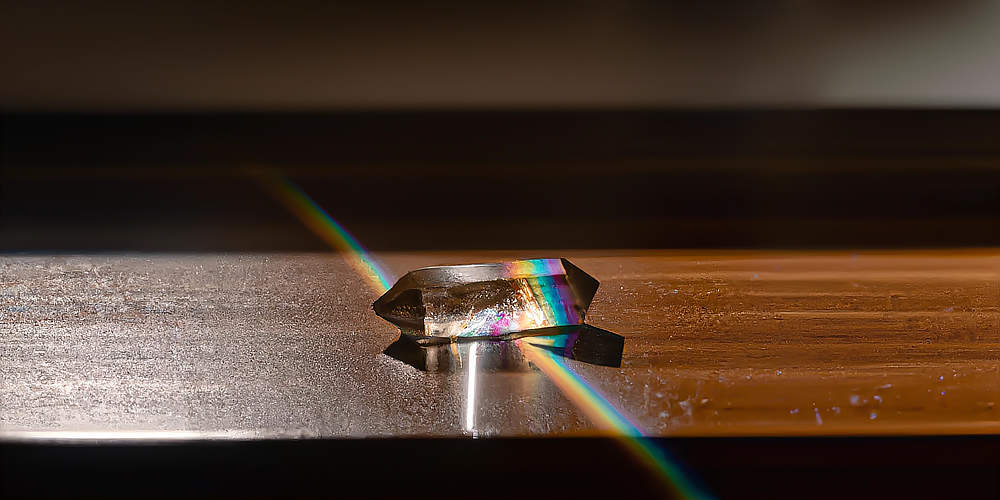
These gemstones include the precious opal and moonstone, both of which exhibit what is often called a play of color, in which white light waves travel through the stone’s interior, acting like a prism and producing a wonderful kaleidoscope of colors.
A Play Of Color
The otherwise pure light we see with our naked eyes is actually a series of waves, each with its own wavelength.
In fact, the colors we see in light correspond to distinct wavelengths that appear different depending on the nature of the object the light interacts with (or that is absorbing visible light). As a result, the color of a gemstone is determined by the way light interacts with it.
This is why a red gemstone that absorbs all wavelengths of visible light except red will appear red. By the same principle, gemstones that absorb all visible light will appear black. Another fascinating fact.
Gemstone Types By Color


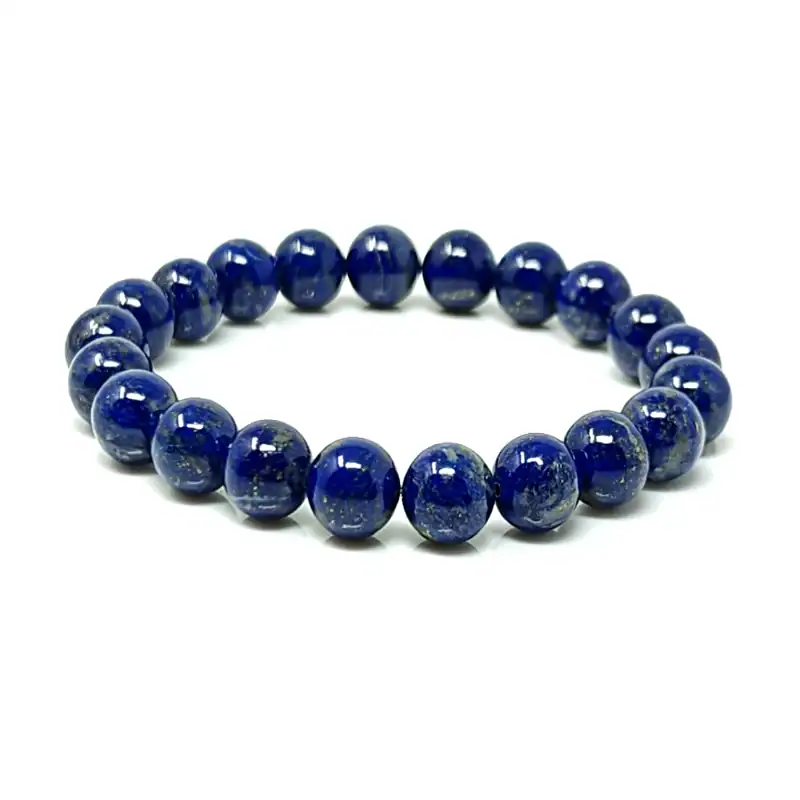
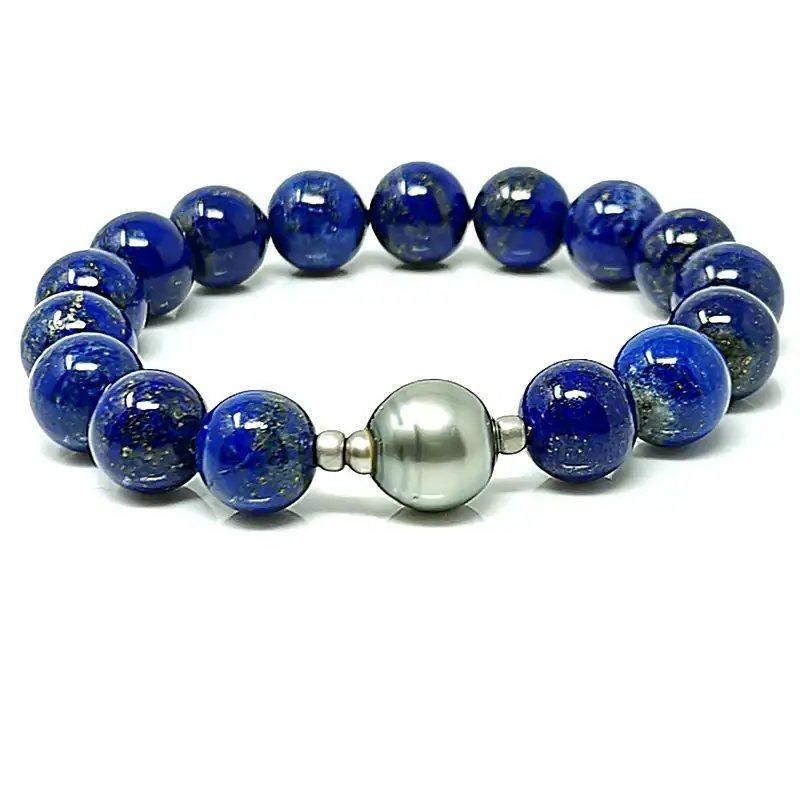
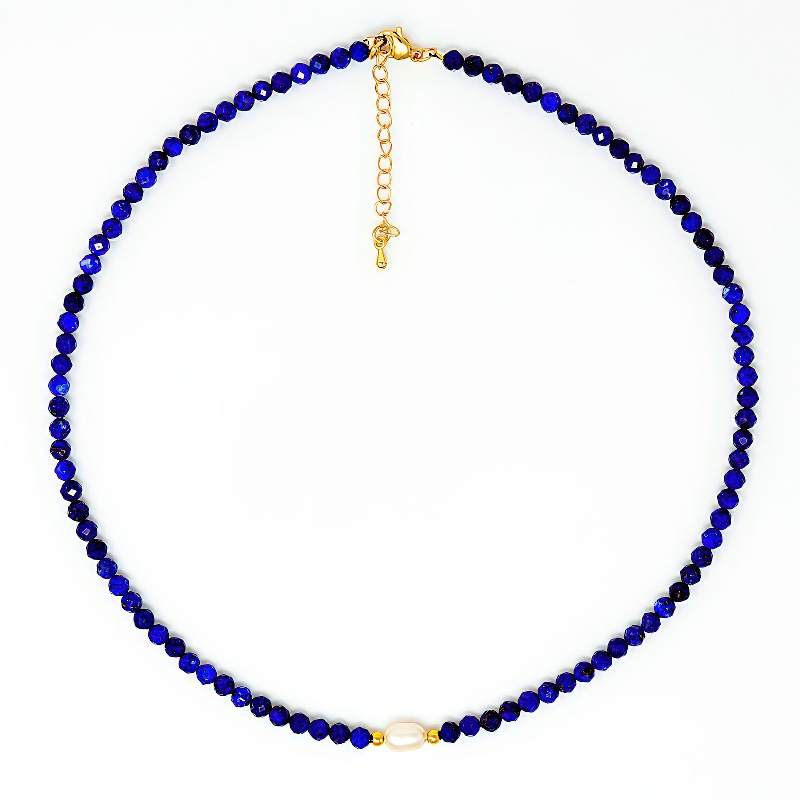
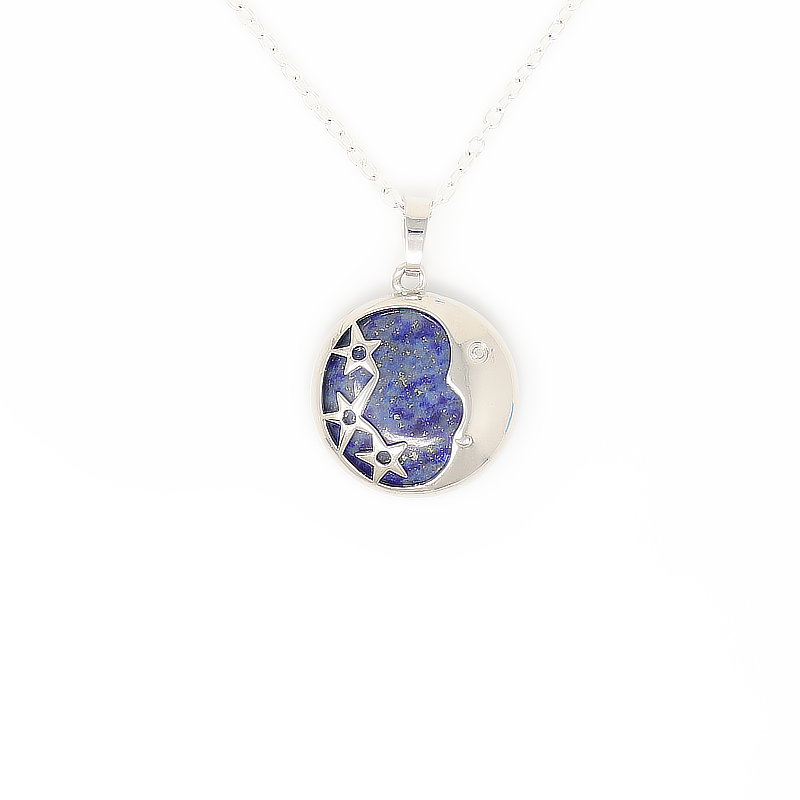
Opaque gemstones contain such a high degree of mineral impurities that no light passes through them, so they appear solid colors. Lapis lazuli, which is one of the most spectacular blue gemstones, is a good example of an opaque stone.






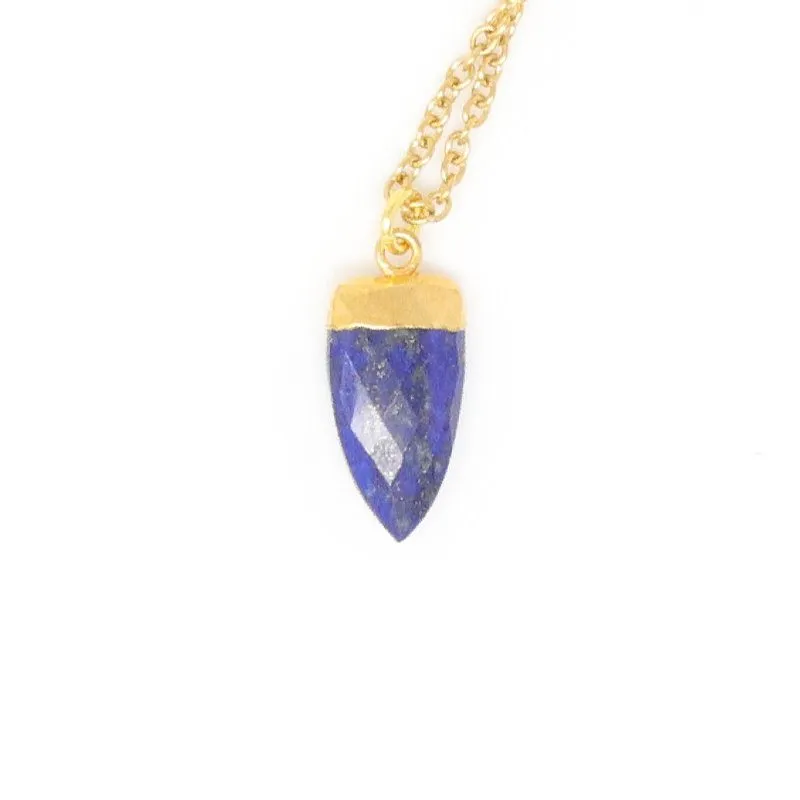
Some gemstones, valued for their colors and transparency, have special properties, such as changing color or emitting light when exposed to ultraviolet light. Examples of such gems include alexandrite, opal, quartz, and garnet.
Gemstone Colors And Names
Popular Gemstone Types By Color And Mineral
| Gemstone | Color | Mineral / Element |
| Diamond | Colorless, with other colors based on impurities | Pure Carbon |
| Ruby | Red | Chromium |
| Sapphire | Blue, with other color possibilities | Iron, Titanium |
| Emerald | Green | Chromium, Vanadium |
| Aquamarine | Blue-green | Iron |
| Amethyst | Purple | Iron, Manganese |
| Citrine | Orange, Yellow | Iron |
| Garnet | Red, Green, Yellow, Orange | Iron, Manganese, Aluminum |
| Topaz | Blue, Pink, Brown, Yellow | Iron, Chromium |
| Tourmaline | Green, Pink, Blue, Black, Brown | Iron, Manganese, Chromium, Vanadium |
| Opal | Various | Microscopic silica spheres |
| Turquoise | Blue-green | Copper, Aluminum, Phosphorus |
| Peridot | Green | Iron |
| Jade | Green, White, Orange, Brown | Actinolite, Tremolite, Nephrite, Jadeite |
More Fascinating Gemstone Facts